Author: Tim Graczewski
-
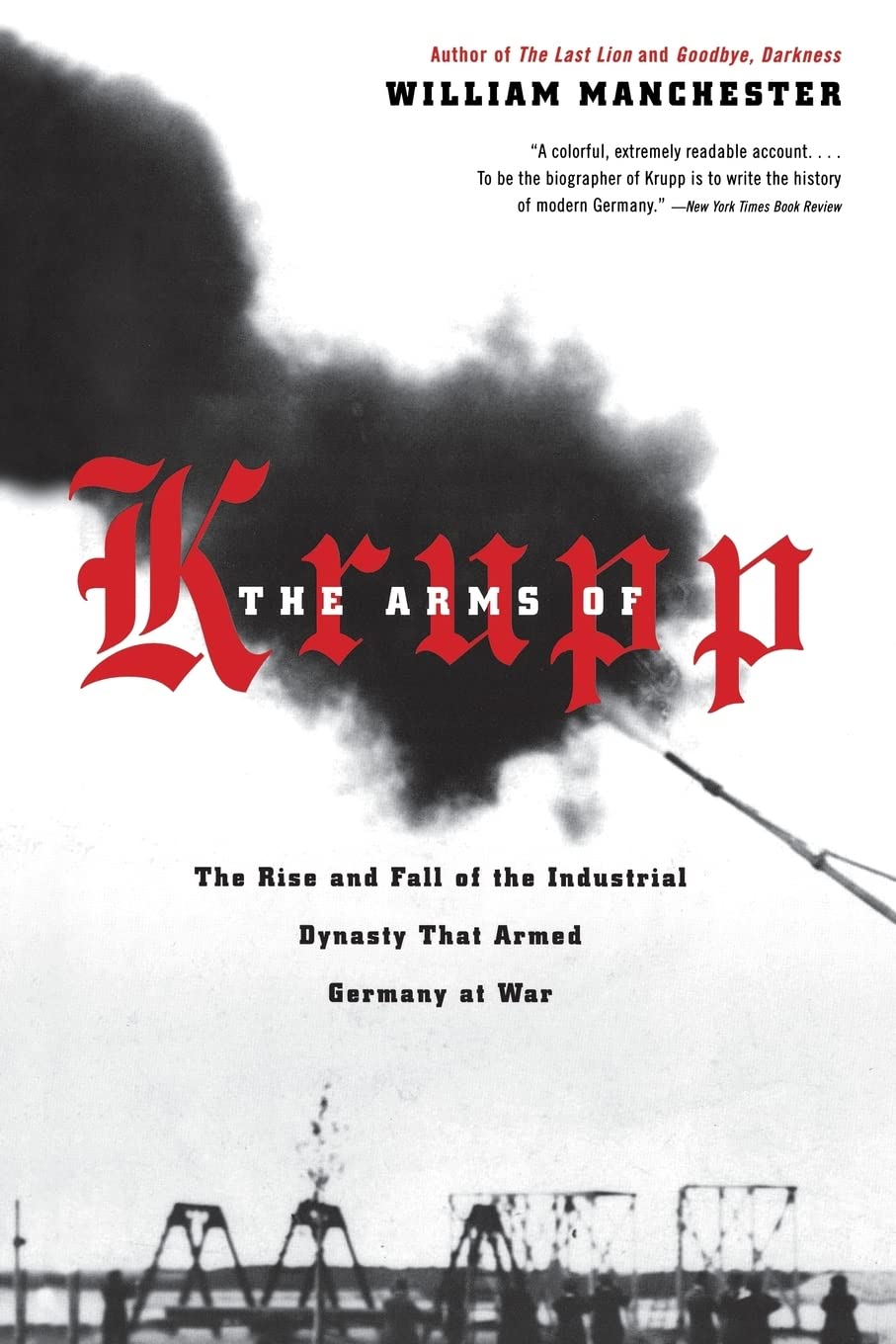
The Arms of Krupp: The Rise and Fall of the Industrial Dynasty That Armed Germany at War (1964) by William Manchester
Originally published in 1964, “The Arms of Krupp” has earned the title of a non-fiction classic. Highly readable, the tale William Manchester tells is fascinating and all the more enjoyable for his mordant wit. At over 800 pages in length, however, it is a daunting read and at times can feel overwhelming. The Krupp steel…
-

Valiant Ambition: George Washington, Benedict Arnold, and the Fate of the American Revolution (2016) by Nathaniel Philbrick
Nathaniel Philbrick is one of this country’s very best popular narrative historians. In “Valiant Ambition: George Washington, Benedict Arnold, and the Fate of the American Revolution” he delivers another fast-paced and insightful history of the “Glorious Cause.” Although Philbrick’s story focuses on the dramatic role played by Benedict Arnold (and to a lesser degree George…
-

Mayflower: A Story of Courage, Community and War (2006) by Nathaniel Philbrick
There has long been a great lacuna in American history – the 150 years between the landing of the Pilgrims in 1620 and the American Revolution of the 1770s. Nathaniel Philbrick turns his talented pen to this obscure period in the 2006 bestseller “Mayflower: A Story of Courage, Community and War.” Philbrick’s narrative essentially covers…
-

A People’s Tragedy: A History of the Russian Revolution (1997) by Orlando Figes
There are lots of books on the Russian Revolution. Few are as comprehensive and compelling as Orlando Figes’ “A People’s Tragedy: The Russian Revolution: 1891 – 1924,” first published to wide critical acclaim in 1997. Figes takes a broad view of his subject; his history stretches over nearly two generations, from the famine of 1891…
-
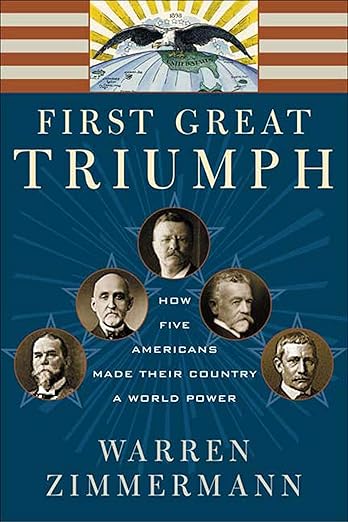
First Great Triumph: How Five Americans Made Their Country a World Power (2002) by Warren Zimmermann
In 1986 Walter Isaacson published “The Wise Men: Six Friends and the World They Made” about how a group of East Coast foreign policy establishment leaders helped craft U.S. national security and foreign policy in the early Cold War era. Warren Zimmermann’s “First Great Triumph: How Five Americans Made Their Country a World Power,” first…
-
John Quincy Adams and the Foundations of American Foreign Policy (1949) by Samuel Flagg Bemis
Samuel Flagg Bemis was Sterling Professor of Diplomatic History at Yale for decades in the mid-twentieth century. In 1950 he won the Pulitzer Prize for “John Quincy Adams and the Foundations of American Foreign Policy,” an incisive portrait of perhaps the greatest diplomat in American history. Bemis charts Adams’s early days as ambassador to many…
-

Alexander the Great and the Logistics of the Macedonian Army (1978) by Donald W. Engels
Few military commanders have succeeded quite like Alexander the Great. At the age of 33 he had conquered much of the known world. In this slim monograph (122 pages) first published in 1978, scholar Donald Engels argues that Alexander’s novel system of logistics was the cornerstone of his vaunted military machine. Although the details of…
-
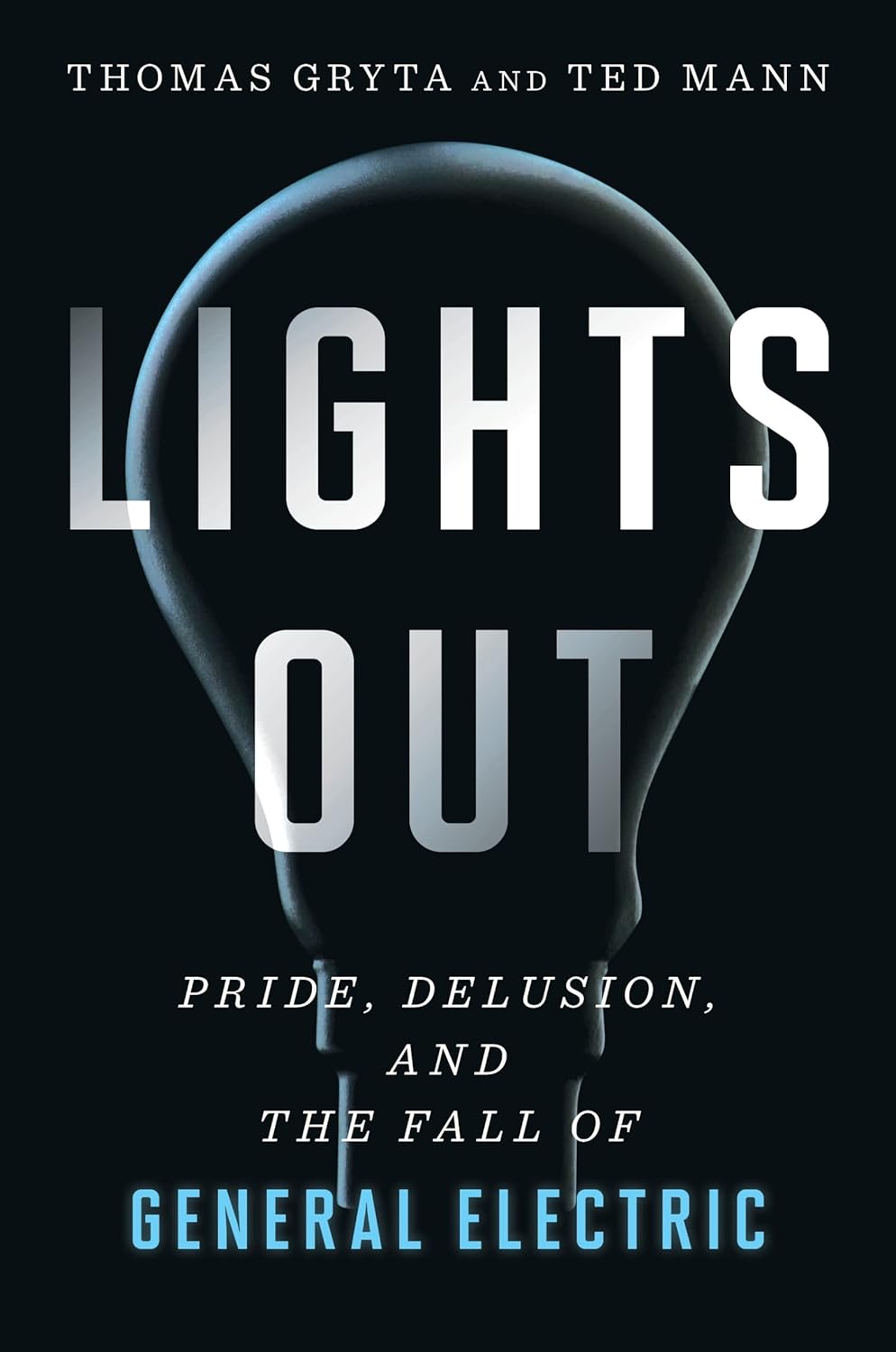
Lights Out: Pride, Delusion, and the Fall of General Electric (2020) by Thomas Gryta and Ted Mann
General Electric is one of the most iconic companies in American history. When I was going to college in the 1990s entry level positions at GE were coveted by the best and brightest students. CEO Jack Welch was a bona fide celebrity. Other leading corporations aggressively sought executive GE talent in the hopes of capturing…
-
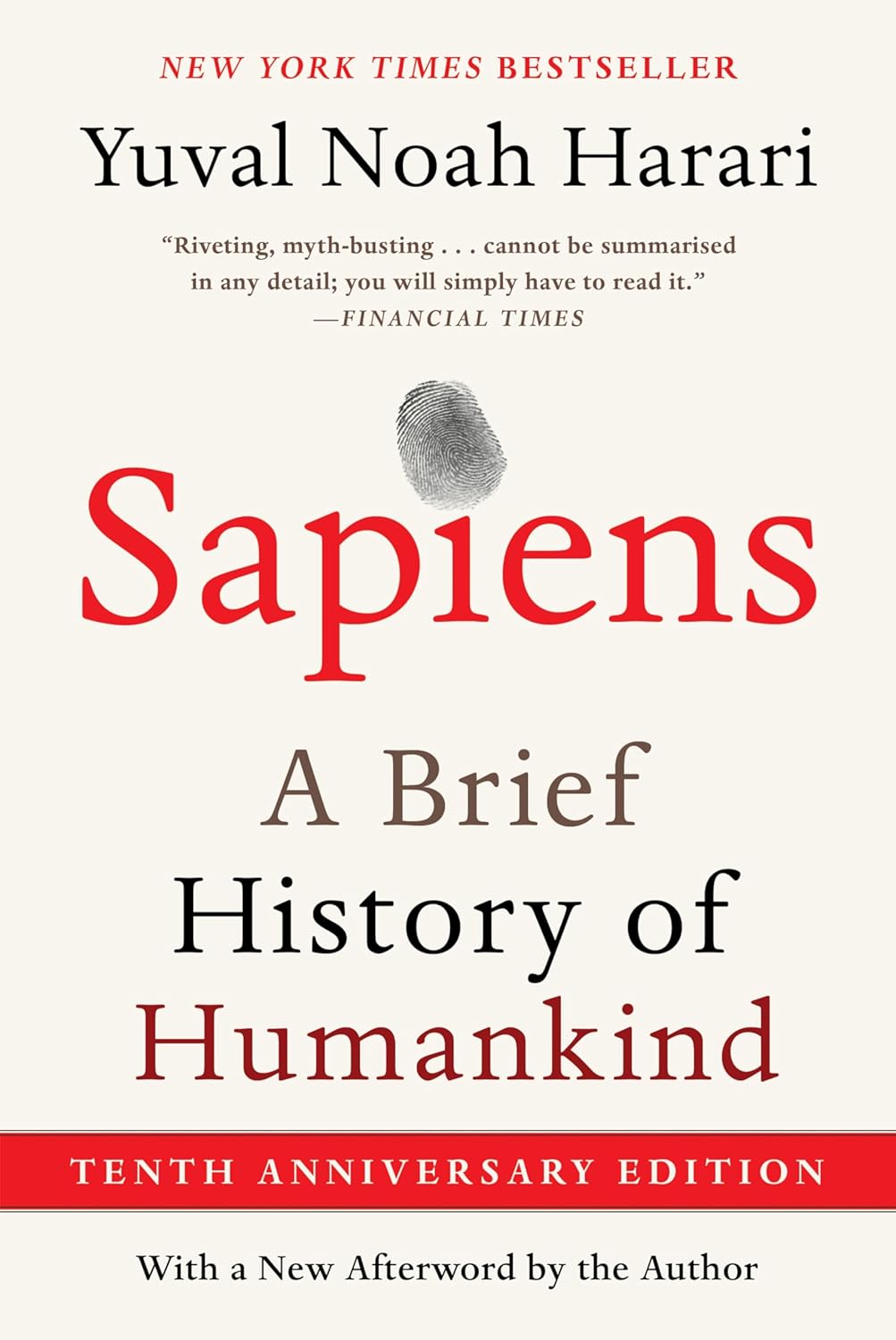
Sapiens: A Brief History of Humankind (2015) by Yuval Noah Harari
Yuval Noah Harari’s “Sapiens: A Brief History of Humankind” may be the most popular non-fiction title of the past decade. It has sold more than 10 million copies and appears in dozens of languages. What surprised me most after finally getting around to reading it is how relatively unoriginal it all is. Harari divides his…

