Author: Tim Graczewski
-
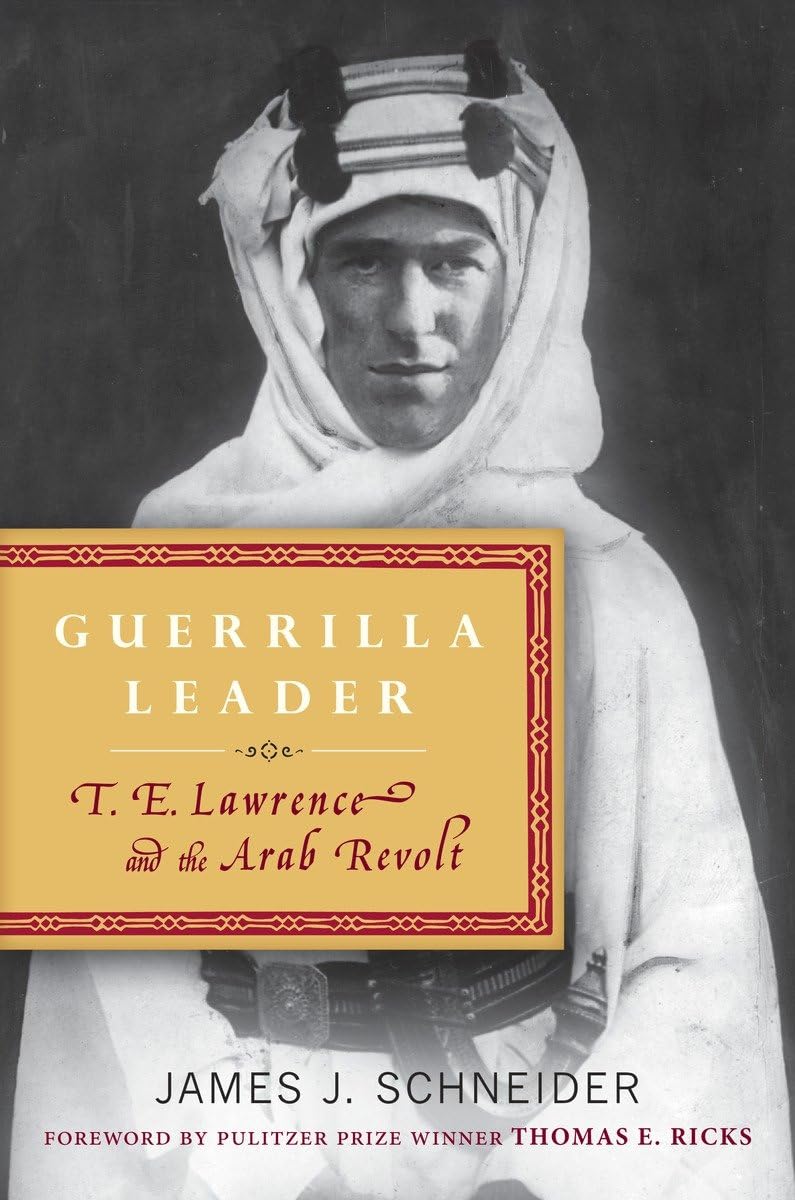
Guerrilla Leader: T. E. Lawrence and the Arab Revolt (2011) by James Schneider
The author, James Schneider, is a professor at the U.S. Army Command and General Staff College. In the Preface and Acknowledgements in the advanced proof of “Guerrilla Leader” he hints that he sees T.E. Lawrence as an exemplar of the type of military officer the U.S. Army needs to cultivate in order to be successful…
-

Globalization and Its Discontents (2002) by Joseph E. Stiglitz
Imagine you’re sitting at a bar next to some co-worker you barely know who is drinking heavily and droning on about how awful his ex-wife is, a real lying, cheating, disingenuous old bag. After an hour or so you almost start to feel bad for the poor lady. Such is the case, I found, with…
-

Why The North Won The Civil War (1978) by David Herbert Donald (Editor)
Half a century ago some of the nation’s leading Civil War era historians put together this collection of essays seeking to explain, from a variety of perspectives (economic, military, political, diplomatic), why the North prevailed in the epic contest of wills between the states. We have arrived at the sesquicentennial of the great conflict and…
-
This Time Is Different: Eight Centuries of Financial Folly (2009) by Carmen M. Reinhart and Kenneth S. Rogoff
The distinguishing feature of this book is the massive data set that undergirds the surprisingly few and rather conventional-wisdom-affirming findings. The authors have aggregated literally centuries of price, exchange rate, debt, export, current account and real GDP statistics for sixty-six countries representing over 90% of global GDP, which is presented in a dizzying array of…
-
Against the Gods: The Remarkable Story of Risk (1996) by Peter L. Bernstein
This isn’t a book; it’s an education. And I can guarantee that if you’re a serious, committed, thoughtful reader the purchase price is but a tiny fraction of the value that Bernstein will deliver to you with “Against the Gods.” The following review may seem overly detailed and specific, wordy beyond measure, but that’s mainly…
-
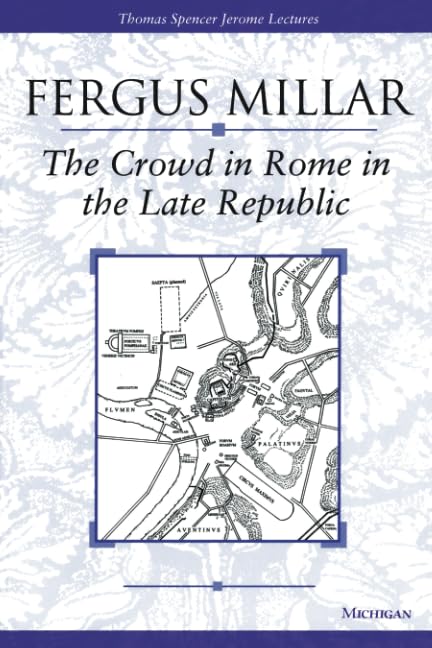
The Crowd in Rome in the Late Republic (1998) by Fergus Millar
The conventional academic view of Rome during the Republic is that of small, all powerful aristocratic government. Fergus Millar turns that entire argument on its head in “The Crowd in Rome in the Late Republic.” He says that too much focus has been put on the role of the patrician and noble class. Yes, family…
-
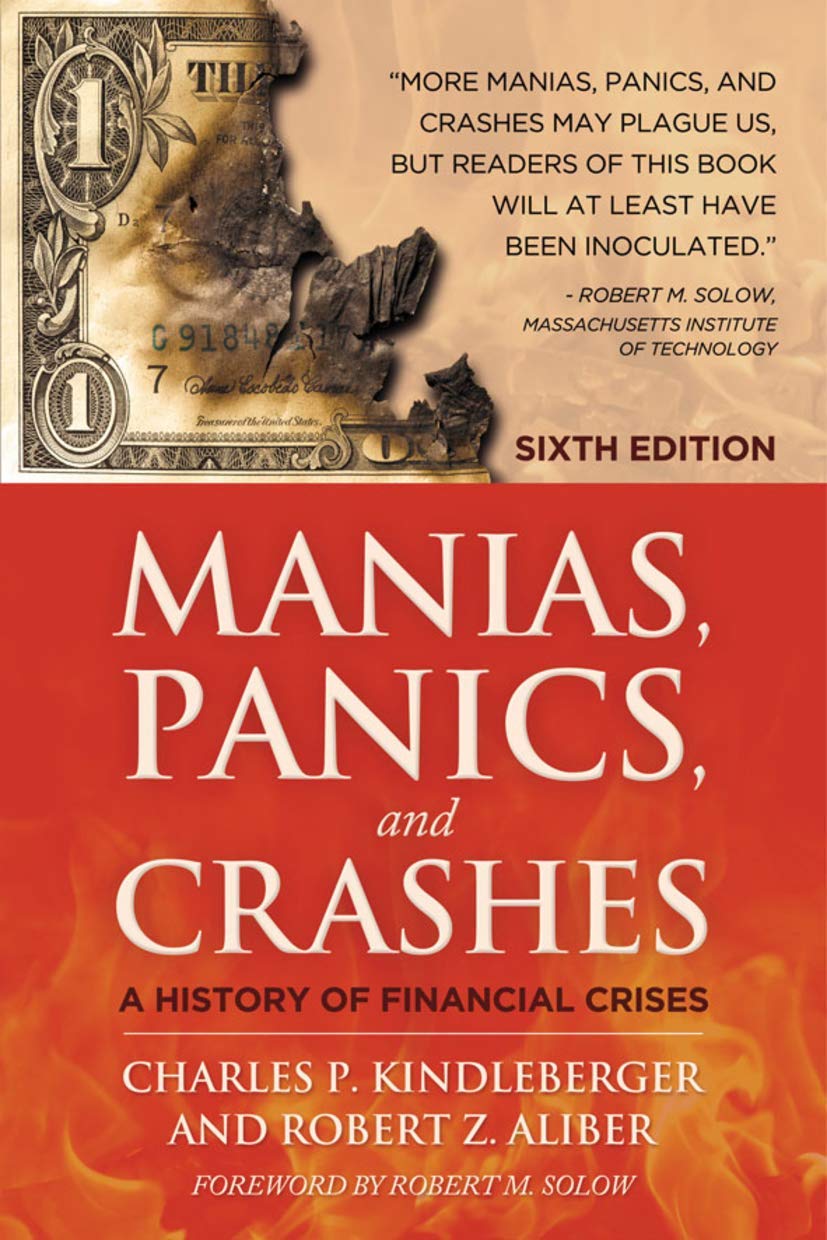
Manias, Panics and Crashes: A History of Financial Crises (1978) by Robert Z. Aliber and Charles P. Kindleberger
Now in its sixth edition, “Mania, Panics, and Crashes: A History of Financial Crises” was first published by Charles Kindleberger in 1978. How times have changed over those thirty plus years — at least that is the striking conclusion from this latest iteration of the enduring classic, which argues that the world of financial crises…
-

The Storytelling Animal: How Stories Make Us Human (2012) by Jonathan Gottschall
Malcolm Gladwell has made a fortune writing books like this, stitching together a compelling and comprehensive narrative on phenomena like social virality (“Tipping Point”), deep understanding of subject matter (“Blink”) and exceptional performance (“Outliers”). Gladwell delivers virtually no original research in any of these books. But what he does with genius is make all the…
-
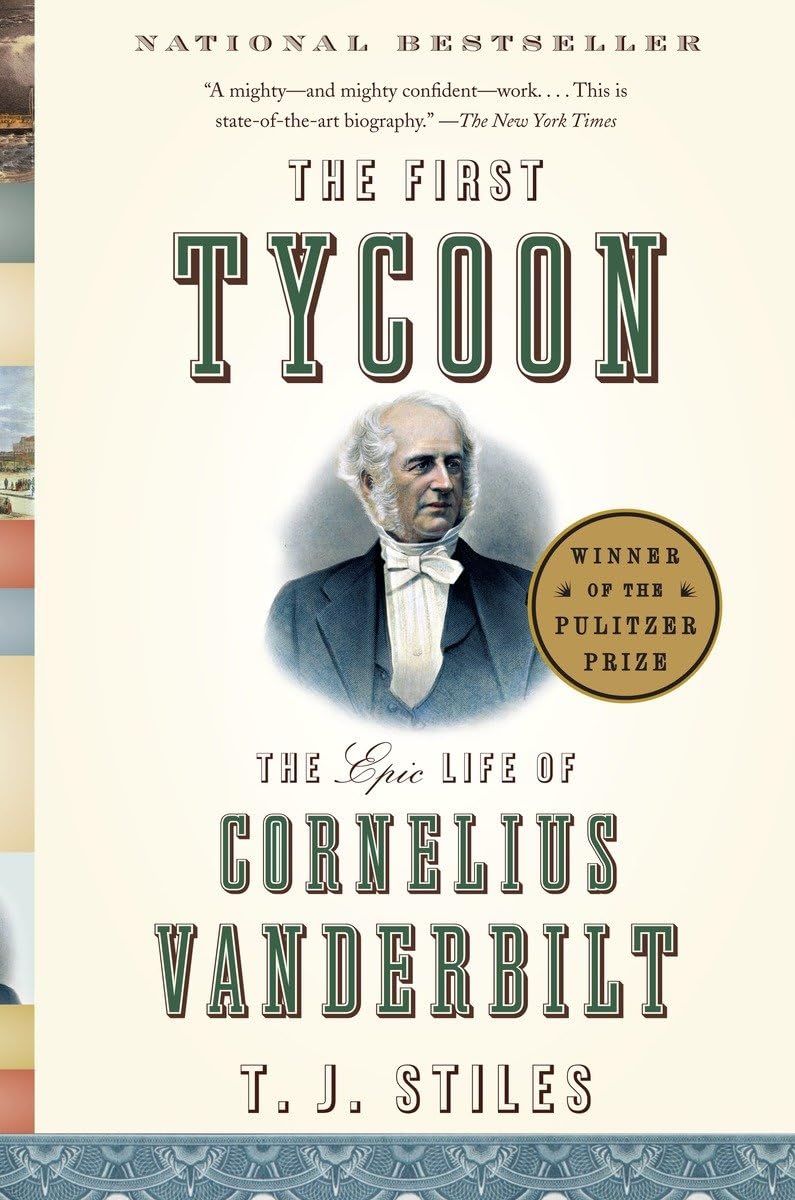
The First Tycoon: The Epic Life of Cornelius Vanderbilt (2009) by T.J. Stiles
About a decade ago, I undertook a personal project: read the best biography in print on each of the most illustrious (or notorious) Robber Barons. I read Chernow on Rockefeller (brilliant), Wall on Carnegie (very good), Strouse on Morgan (solid), and Klein on Gould (disappointment). I very much wanted to read something on Vanderbilt, but…
 What's Tim Reading Now?