Author: Tim Graczewski
-
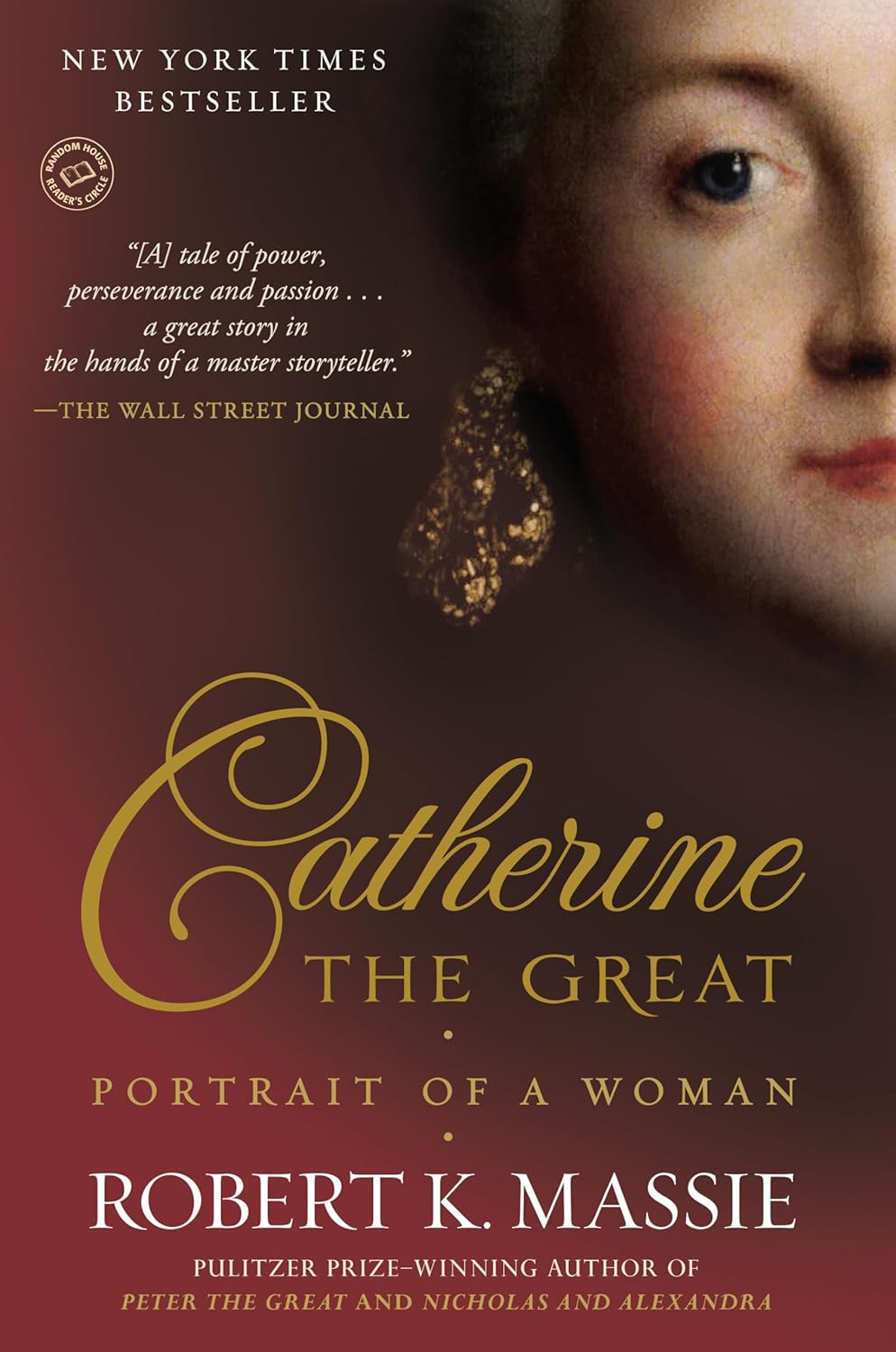
Catherine the Great: Portrait of a Woman (2011) by Robert K. Massie
I’m a passionate reader of non-fiction. My living room wall is lined with books from floor to ceiling. Just the other day, as I scanned my hundreds of books – including a wide variety of biographies on presidents, writers, generals and business titans – it occurred to me that I did not own and had…
-

Globalizing Capital: A History of the International Monetary System (2008) by Barry Eichengreen
A dilemma rests at the heart of the international monetary system. A stable and predictable international currency regime is a necessary catalyst to international trade. So too is capital mobility, allowing the efficient allocation of foreign investment and spurring global economic growth. The rub is that high capital mobility tends to undermine stable, predictable currency…
-
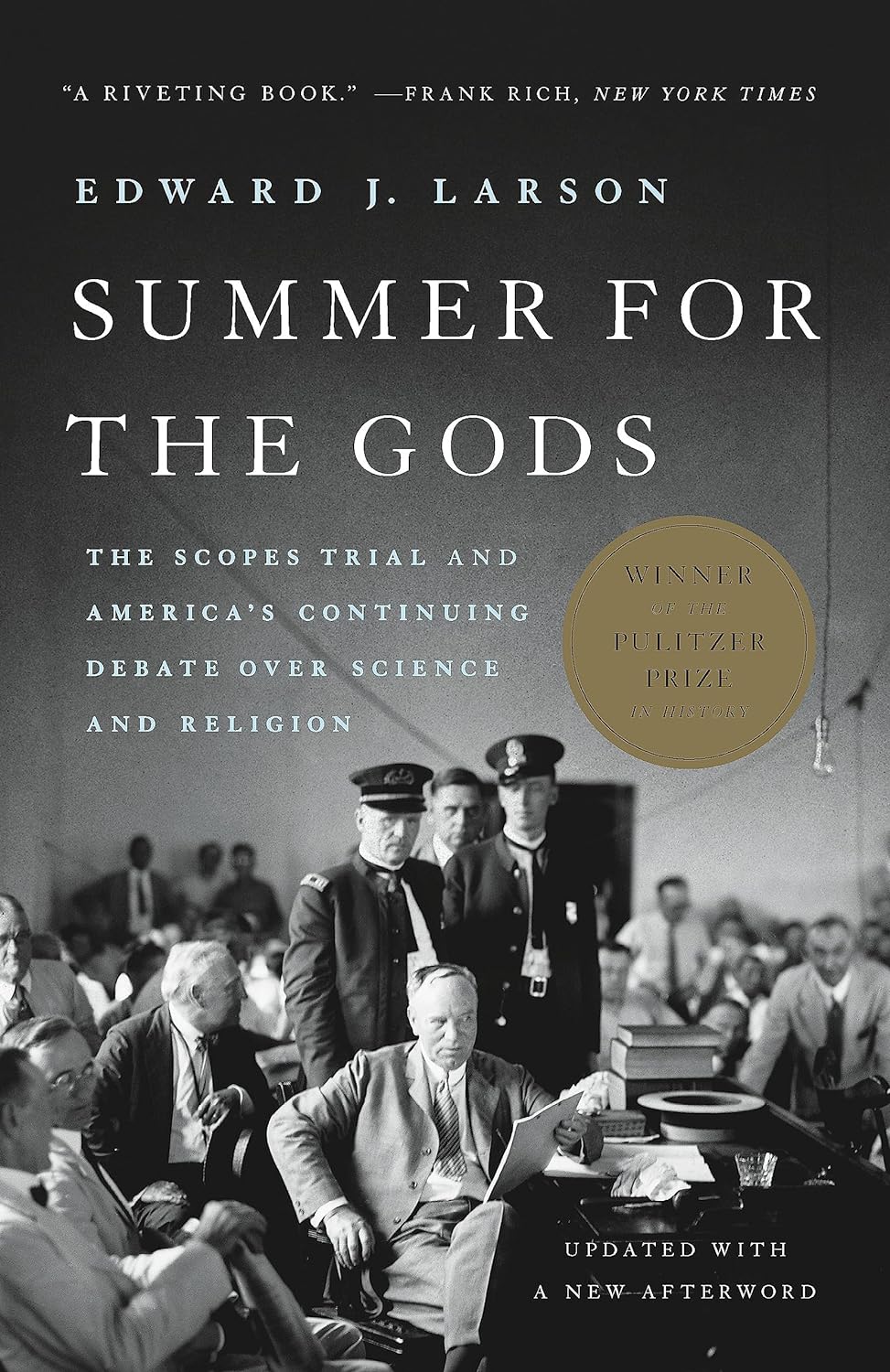
Summer For The Gods: The Scopes Trial And America’s Continuing Debate Over Science And Religion (1997) by Edward J. Larson
Historical dramas “Argo” and “Lincoln” dominated the Academy Awards this year. I’m not sure that is a good thing, although I very much enjoyed those fantastic movies. It seems to me that there is an inherent danger in allowing the theater to tell history, as artistic license is sure to modify the storyline for dramatic…
-
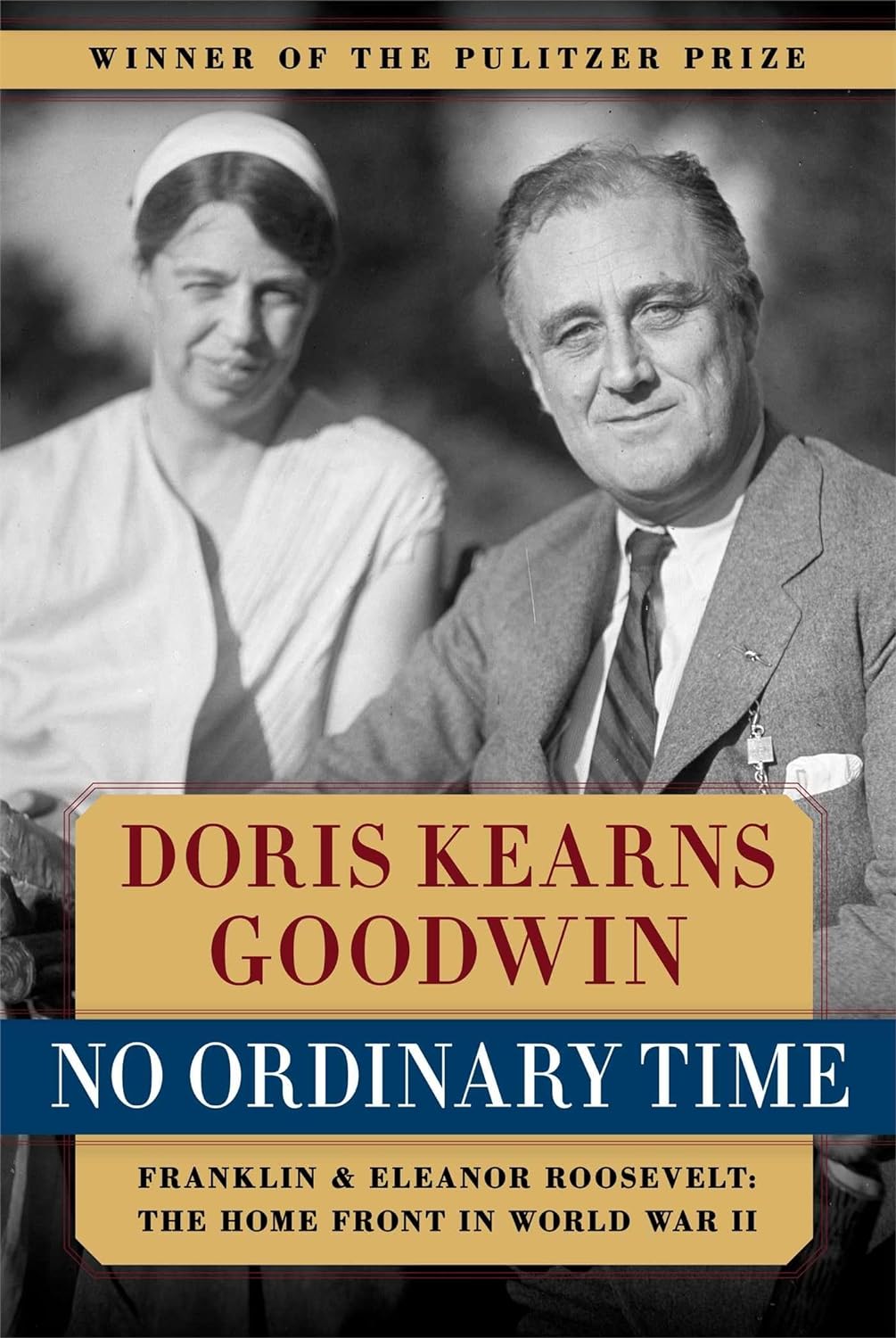
No Ordinary Time: Franklin and Eleanor Roosevelt: The Home Front in World War II (1994) by Doris Kearns Goodwin
Doris Kearns Goodwin’s “No Ordinary Time, Franklin & Eleanor Roosevelt: The Home Front in World War II” is a slow, methodical, chronological but undeniably brilliant narrative of the most momentous half-decade in American history since 1860-1865. Even if you’ve read a lot about the Second World War and FDR, you’ll likely learn something from this…
-

Wedding of the Waters: The Erie Canal and the Making of a Great Nation (2005) by Peter L. Bernstein
The Erie Canal was the first “grand project” of the American republic, paving the way for other monumental national engineering achievements, from the transcontinental railroad and the Panama Canal to the Manhattan Project and Apollo mission. Peter Bernstein, a writer known more for his skill in making financial and monetary issues comprehensible to the mass…
-

Nothing Like It in the World: The Men Who Built the Transcontinental Railroad, 1863-1869 (2000) by Stephen E. Ambrose
I certainly wouldn’t rank the late Stephen Ambrose as one of the best American historians of his generation, but he may very well be the best-selling. In “Nothing Like It In the World: The Men Who Built the Transcontinental Railroad 1863-1869,” he brings his skill at telling the human side of warfare to one of…
-
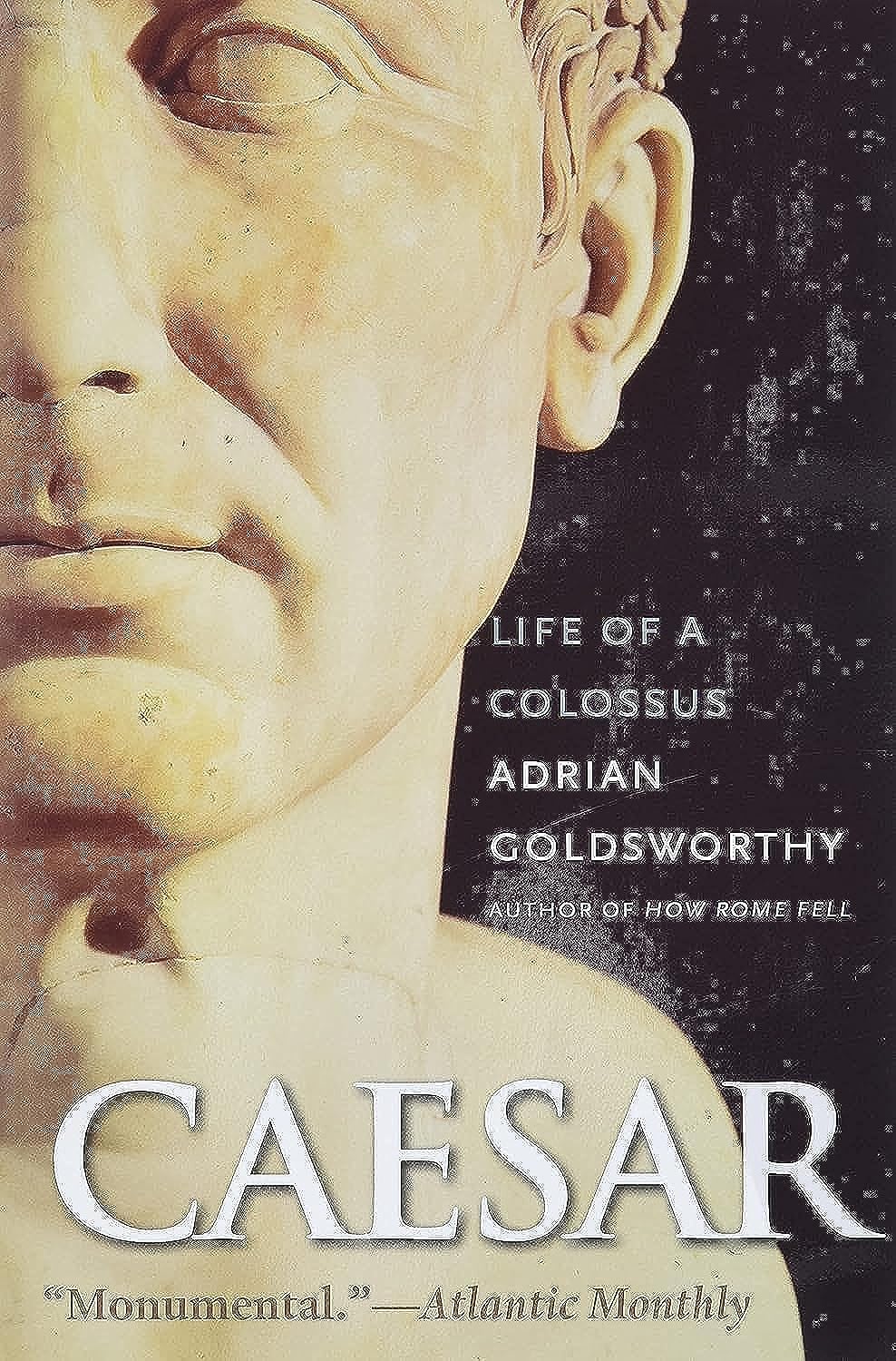
Caesar: Life of a Colossus (2006) by Adrian Goldsworthy
If Jesus Christ is the greatest story ever told, I’d like to put my vote in for another “JC” as the second: Julius Caesar. And Adrian Goldsworthy tells that remarkable story marvelously well. I’ve read several other biographies on the great Roman general and statesman before (Fuller, Meier, Gelzer) and “Caesar: Life of a Colossus”…
-
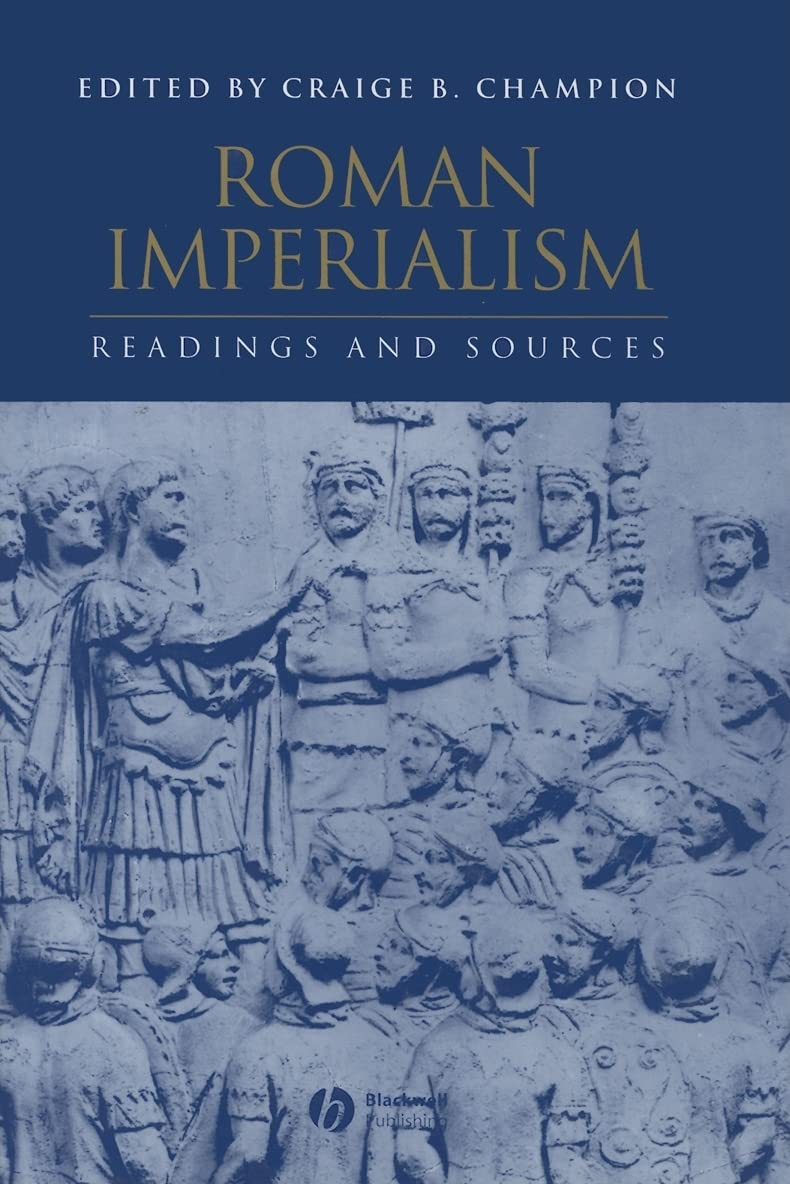
Roman Imperialism: Readings and Sources (2003) by Craige B. Champion
This is a book for a rather serious armchair Roman scholar or upper classman studying the ancient world or international relations more generally. While not a “popular” or narrative history, it succeeds remarkably well for what it is: a compilation of essays by some of the most distinguished Roman scholars in the world on a…
-
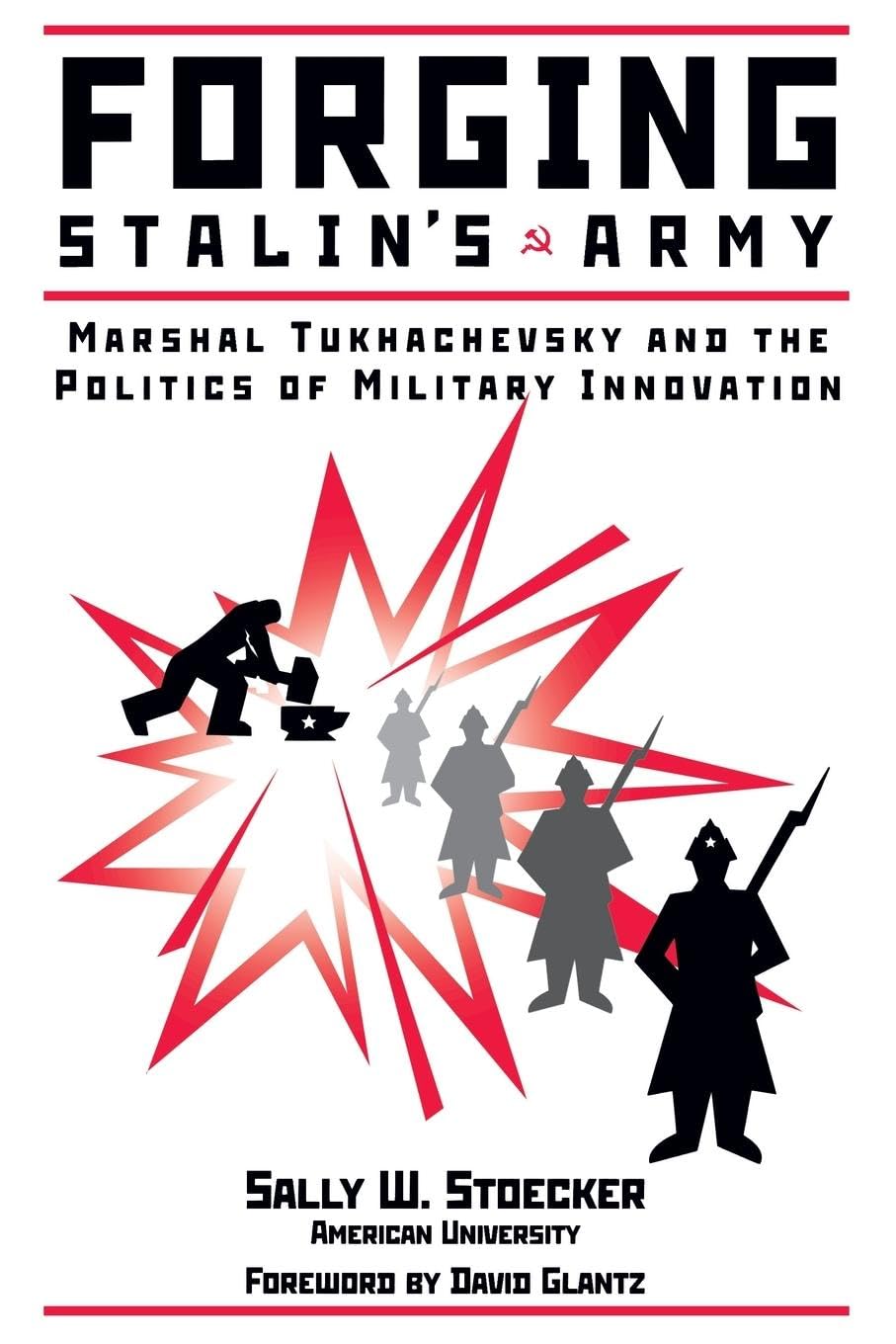
Forging Stalin’s Army: Marshal Tukhachevsky And The Politics Of Military Innovation (1999) by Sally Stoecker
“Forging Stalin’s Army: Marshal Tukhachevsky and the Politics of Military Innovation” came out in the late 1990s when interwar studies on military innovation were all the rage, much like case studies of counterinsurgency would be a decade later. Much has been written about the German, American, British and Japanese experience during the 1920 and 1930s…
 What's Tim Reading Now?