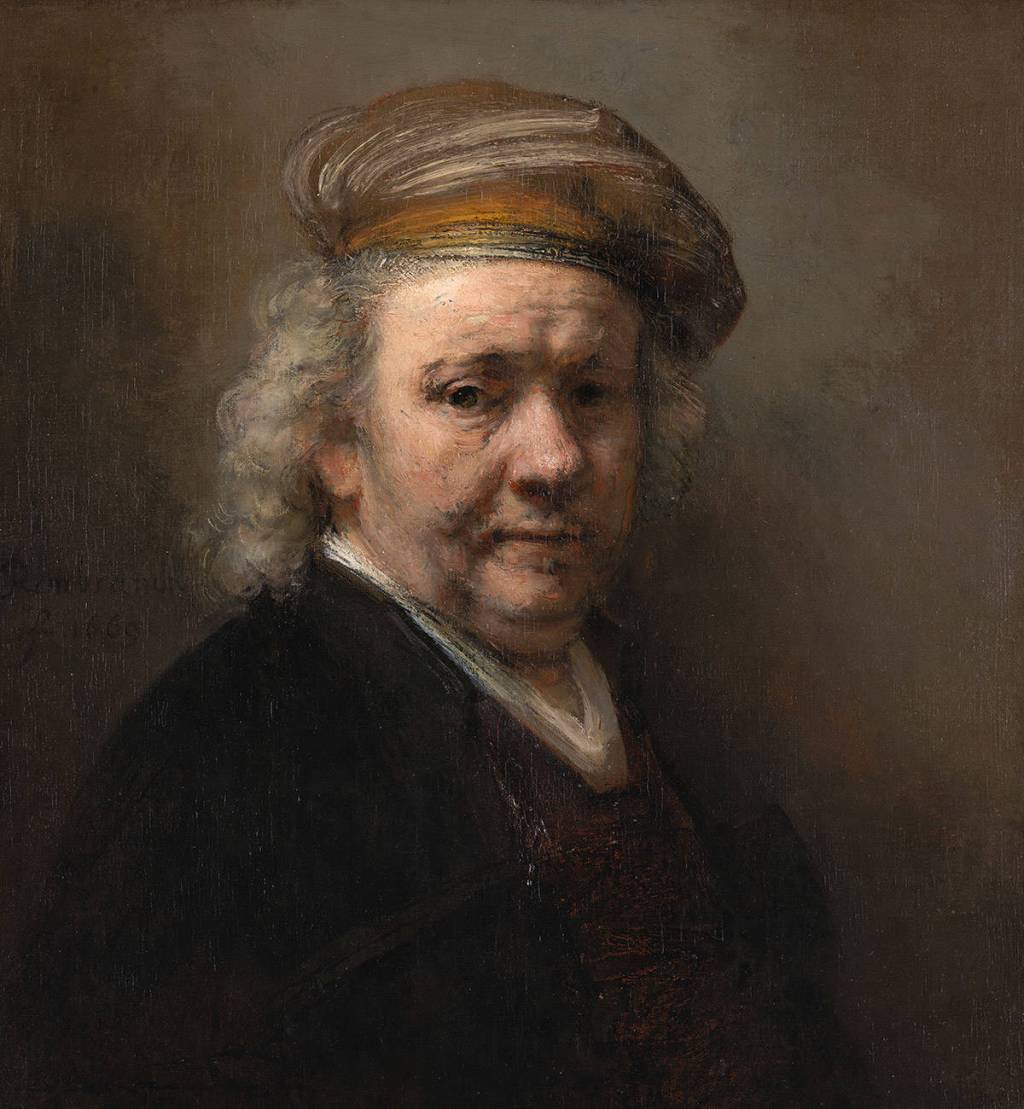
Rembrandt van Rijn was a Dutch master whose genius lay in his ability to fuse truth with artistry. Known for his extraordinary command of light and shadow, he brought emotional depth and psychological realism to the canvas, always privileging honesty over idealized beauty. In his hands, portraiture was transformed: sitters were not merely represented but revealed, their inner lives made visible. Even everyday scenes were elevated into profound works of art, shimmering with a balance of realism and mystery.
His gift was not only technical but profoundly human. Rembrandt captured the spectrum of human emotion with unmatched sensitivity, probing beneath appearances to depict resilience, vulnerability, and the passage of time. His self-portraits, spanning the course of his life, form an unparalleled record of personal introspection and artistic evolution. In monumental works like The Night Watch, he broke conventions of group portraiture with theatrical lighting, dynamic movement, and narrative intensity. His masterful use of chiaroscuro – light and shadow as instruments of mood and meaning – imbued his paintings with intimacy and vitality that remain strikingly modern.
For Rembrandt, painting was never just about likeness; it was about truth. He painted not only what people looked like but who they were, reaching into the soul and leaving it imprinted on canvas. His innovations in technique and his deep psychological insight reverberated across centuries, shaping the course of Western art and continuing to resonate today.
Scholars now attribute between 80 and 90 core works as unquestionably authentic Rembrandts. Yet hundreds more remain disputed or were once believed to be his, a testament both to the breadth of his influence and to the enduring mystery that surrounds his art.
 What's Tim Reading Now?
Leave a comment