Category: Roman Empire
-
Corruption and the Decline of Rome (1988) by Ramsay Macmullen
The military explanation for the fall of Rome is a familiar one, and it remains popular. It goes something like this: by the third century barbarians began to outnumber native Roman citizens in the ranks of the army; cavalry units eclipsed the traditional foundation of Roman strength found in the infantry legions; frontier units became…
-

The End of the Roman Empire: Decline or Transformation (1992) by Donald Kagan (Editor)
Every so often I pick a general topic I want to better educate myself about. This year, I’ve focused on explaining the decline and fall of the Roman Empire, a timeless debate that never seems to lose its relevance, literally argued, refuted, and refined continuously from the time of the Declaration of Independence to the…
-

Hadrian and the Triumph of Rome (2009) by Anthony Everitt
It is impossible to pinpoint the high watermark of the Roman Empire, but one could make a strong argument for the reign of Hadrian (117-138 AD). His long, sober and steady leadership was a conscious emulation of Augustus, the first and arguably greatest Caesar – modest, congenial and wise. Just as Hadrian was a worthy,…
-
The Grand Strategy of the Roman Empire: From the First Century CE to the Third (1976) by Edward N. Luttwak
The history of Rome is, in many ways, the history of the frontier – how it expanded and was governed and secured. Edward Luttwak, a professor of strategic studies, brings a unique perspective to a topic that has long remained, for better or worse, the realm of classical scholars. The overarching theme is that the…
-
Roman Imperialism: Readings and Sources (2003) by Craige B. Champion
This is a book for a rather serious armchair Roman scholar or upper classman studying the ancient world or international relations more generally. While not a “popular” or narrative history, it succeeds remarkably well for what it is: a compilation of essays by some of the most distinguished Roman scholars in the world on a…
-

Zealot: The Life and Times of Jesus of Nazareth (2013) by Reza Aslan
At first blush, Reza Aslan – an Iranian émigré turned Born Again Christian turned Shia Muslim Creative Writing professor – isn’t the ideal candidate to write an historical narrative of Jesus of Nazareth. But he does it rather well, at least from my rather uninformed perspective. Aslan’s central thesis in “Zealot: The Life and Times…
-
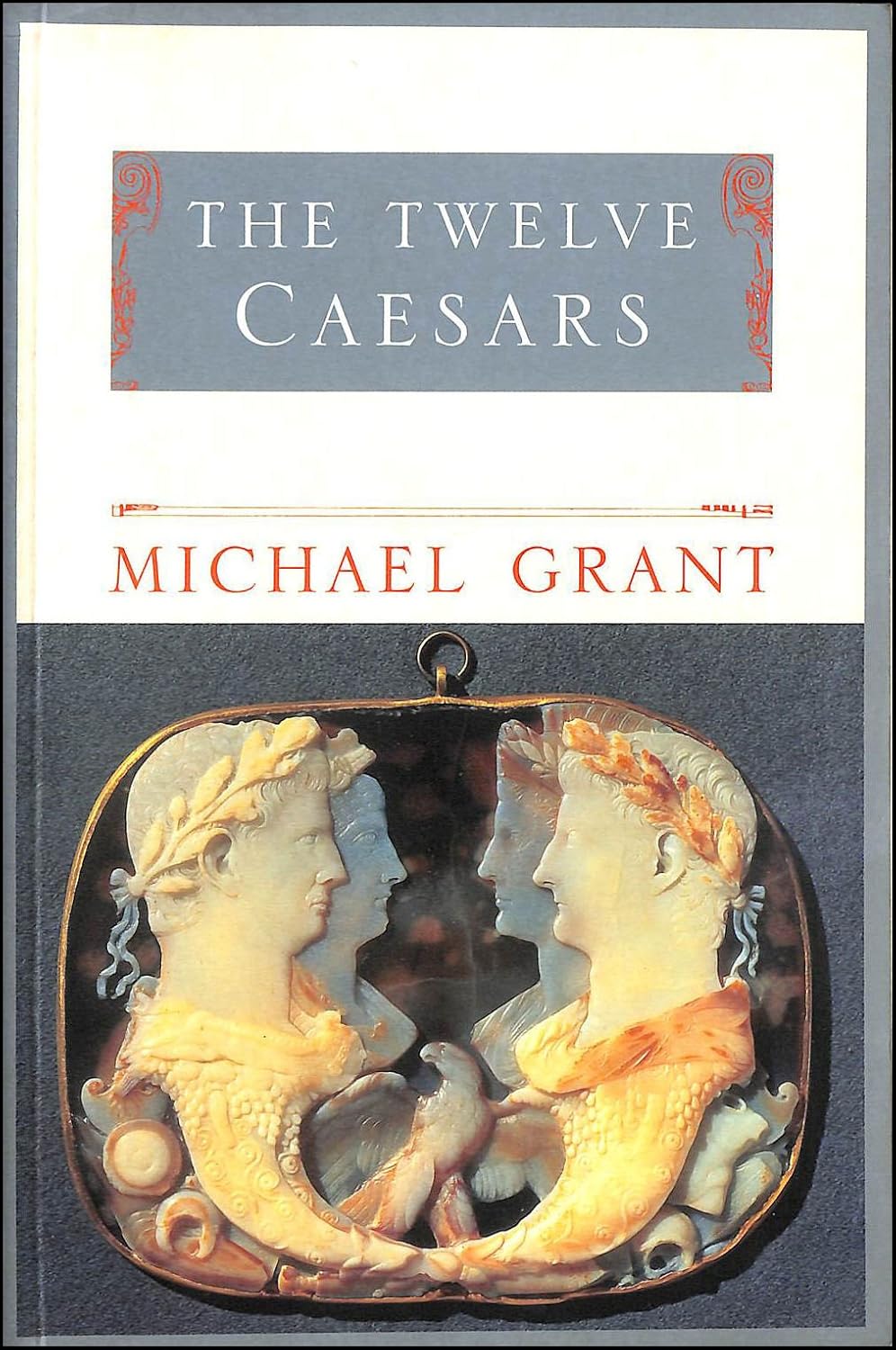
The Twelve Caesars (1975) by Michael Grant
British ancient historian Michael Grant is a legend of sorts, although I’m sure that plenty of classically trained Roman historians shutter at that appellation. Here, with “The Twelve Caesars,” originally published in 1975, he seeks to deliver to a modern audience in plain English and shorn of contemporary prejudice the men who ruled Rome from…
-
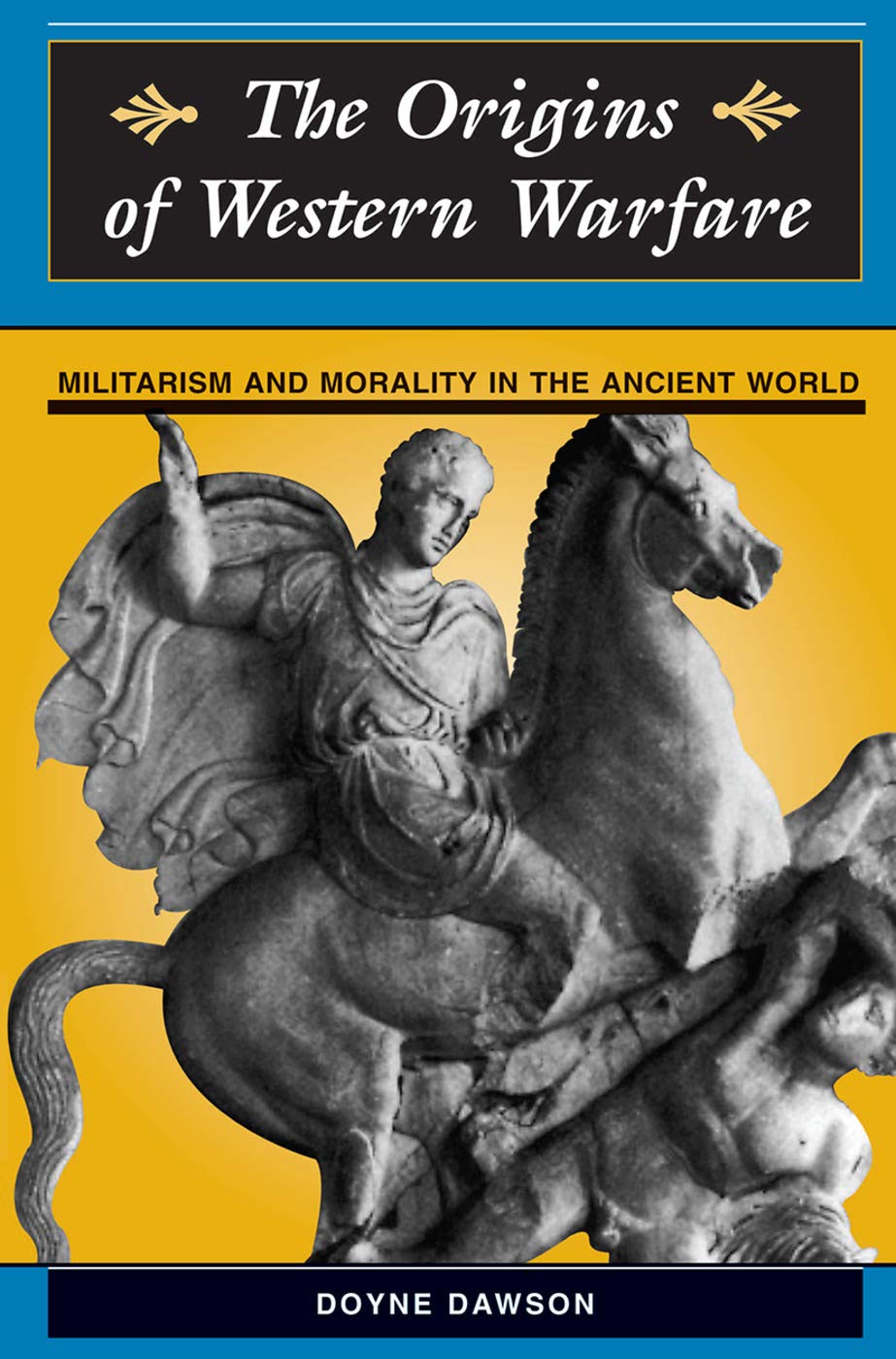
The Origins Of Western Warfare: Militarism And Morality In The Ancient World (1996) by Doyne Dawson
The twentieth century was the bloodiest in history. Given how bloody other centuries have been, that is really saying something. Why is western civilization, so remarkably progressive in so many ways, so obstinately aggressive and warlike? In “The Origins of Western Warfare: Militarism and Morality in the Ancient World,” historian Doyne Dawson argues that the…
-
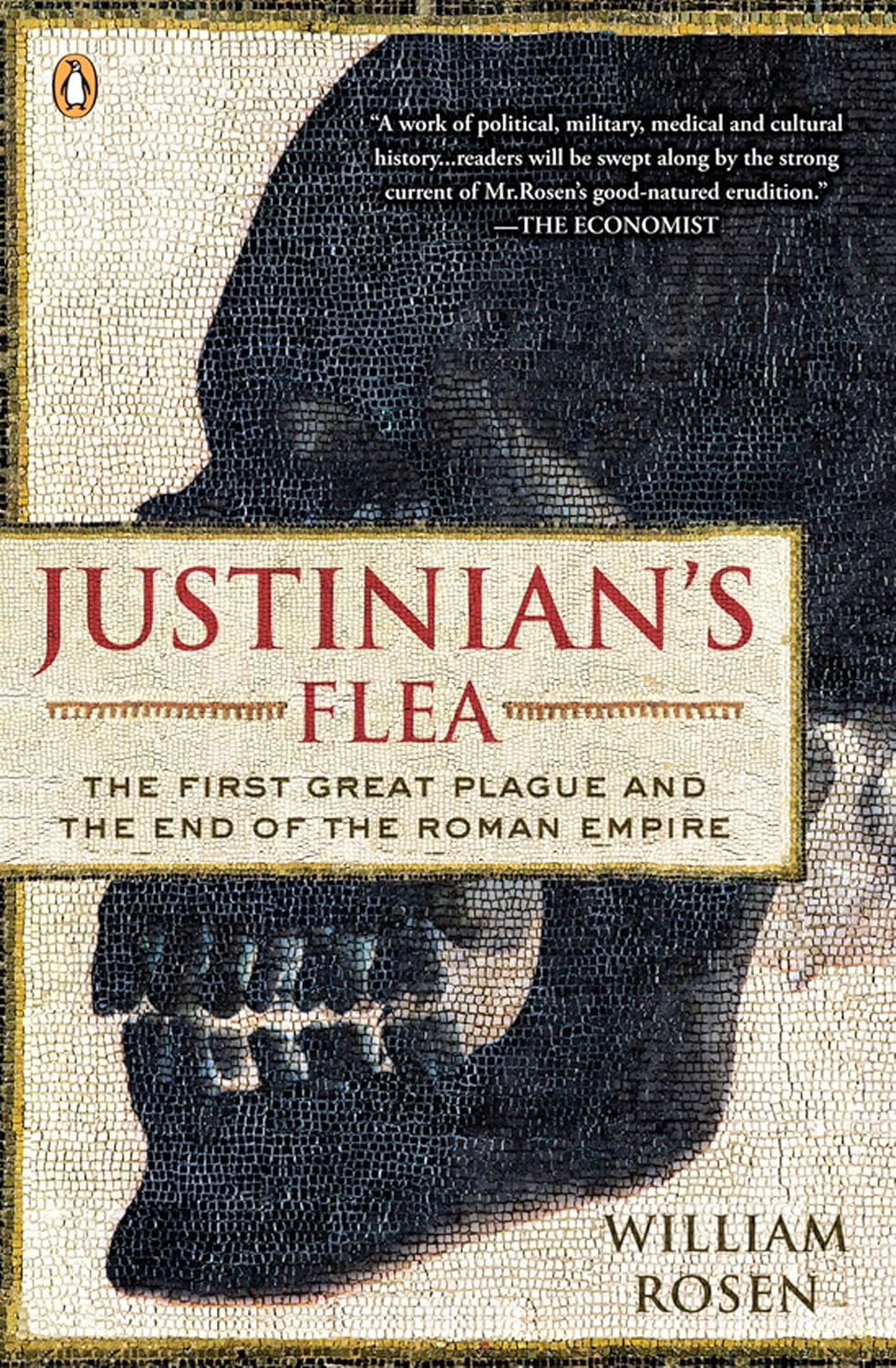
Justinian’s Flea: Plague, Empire, and the Birth of Europe (2007) by William Rosen
“Caveat Reador” — Let the Reader Beware! You need to know a few things before picking up “Justinian’s Flea: The First Great Plague and The End of the Roman Empire” by William Rosen. First, this book is filled with details, many of them extraneous, yet the narrative has surprisingly little specific to say about the…
 What's Tim Reading Now?