Category: Italian Renaissance
-
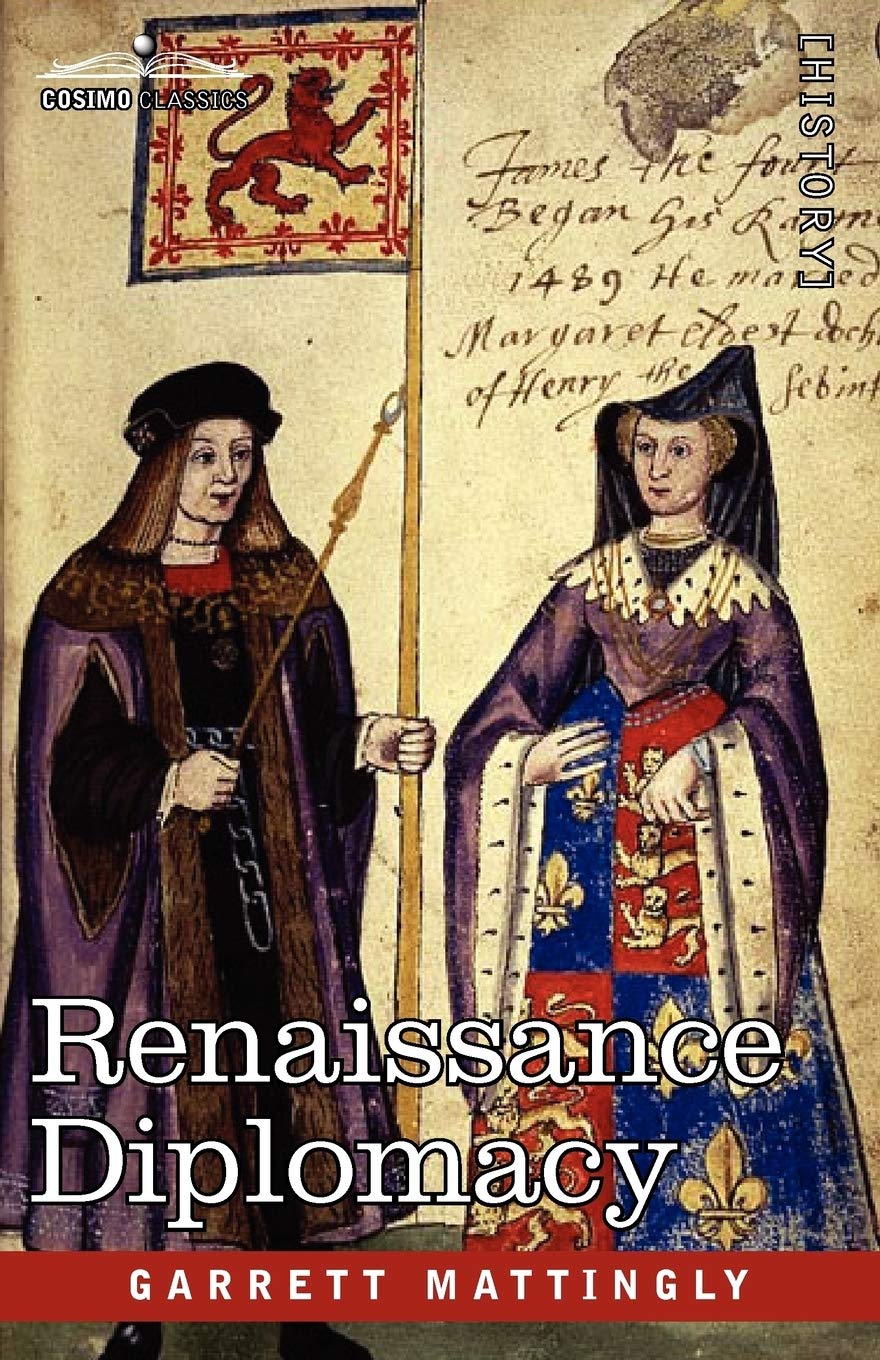
Renaissance Diplomacy (1955) by Garrett Mattingly
Permanent diplomacy, featuring resident ambassadors empowered to formally represent their sovereign state and bestowed with certain legal immunities, such as exemption from taxes, tolls, and custom duties, is a modern development tracing its origin back to the city-states of fifteenth century Renaissance Italy. Garrett Mattingly tells the story of these developments in “Renaissance Diplomacy” (1955),…
-

The Crisis of the Early Italian Renaissance (1955) by Hans Baron
“The Crisis of the Early Italian Renaissance” (1955) by German-Jewish emigre Hans Baron is one of the most influential pieces of Renaissance history published in the last century. In it Baron introduces the term “civic humanism,” which has become a core element of contemporary Renaissance studies. While “Crisis” is a dazzling work of scholarship and…
-
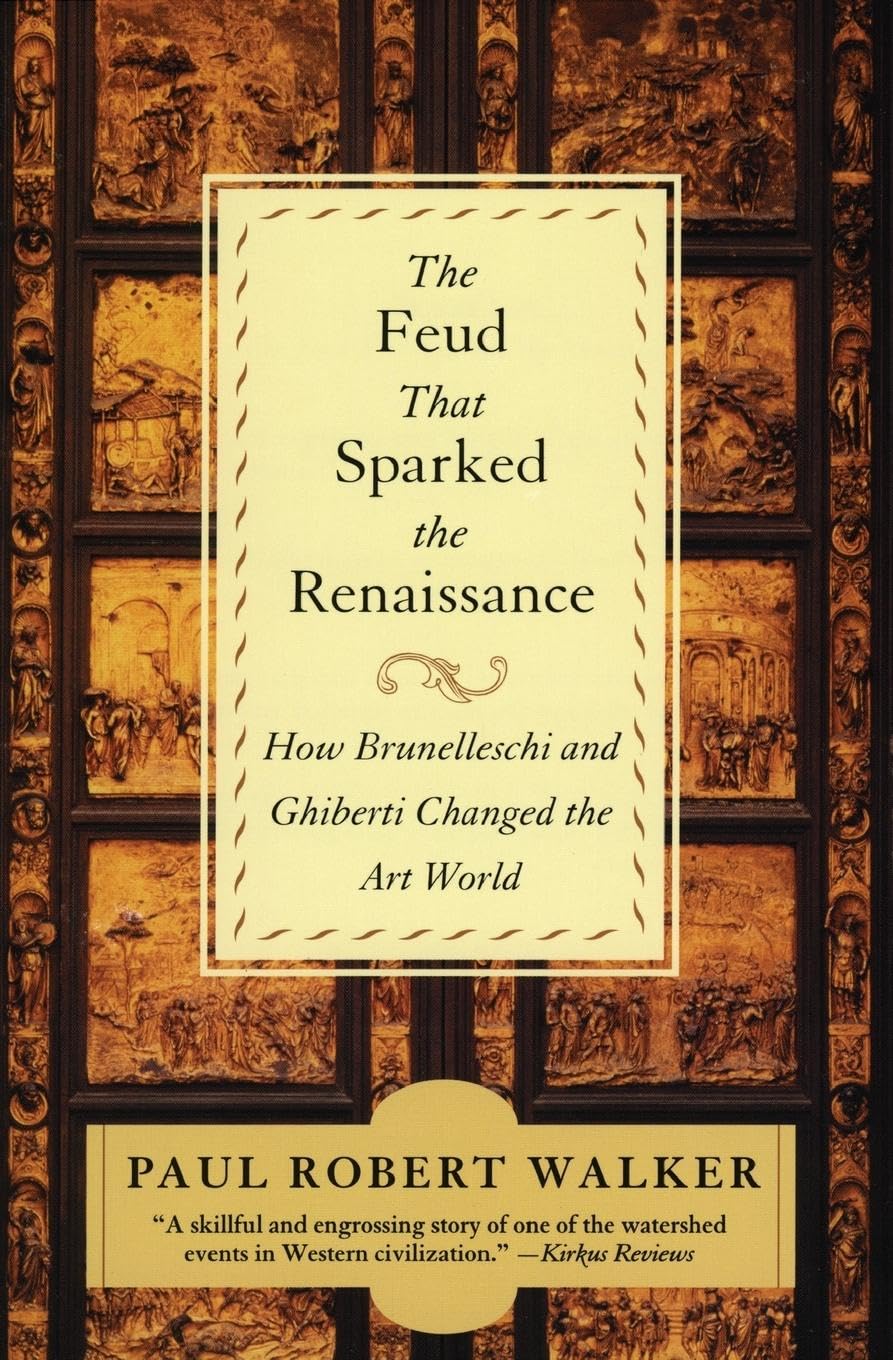
The Feud That Sparked the Renaissance: How Brunelleschi and Ghiberti Changed the Art World (2003) by Paul Robert Walker
The Renaissance was born in Florence at the dawn of the fifteenth century. Not many people dispute that. How and why that happened when and where it did is much more debated. In “The Feud That Sparked the Renaissance: How Brunelleschi and Ghiberti Changed the Art World” (2003) bohemian author Paul Robert Walker argues that…
-
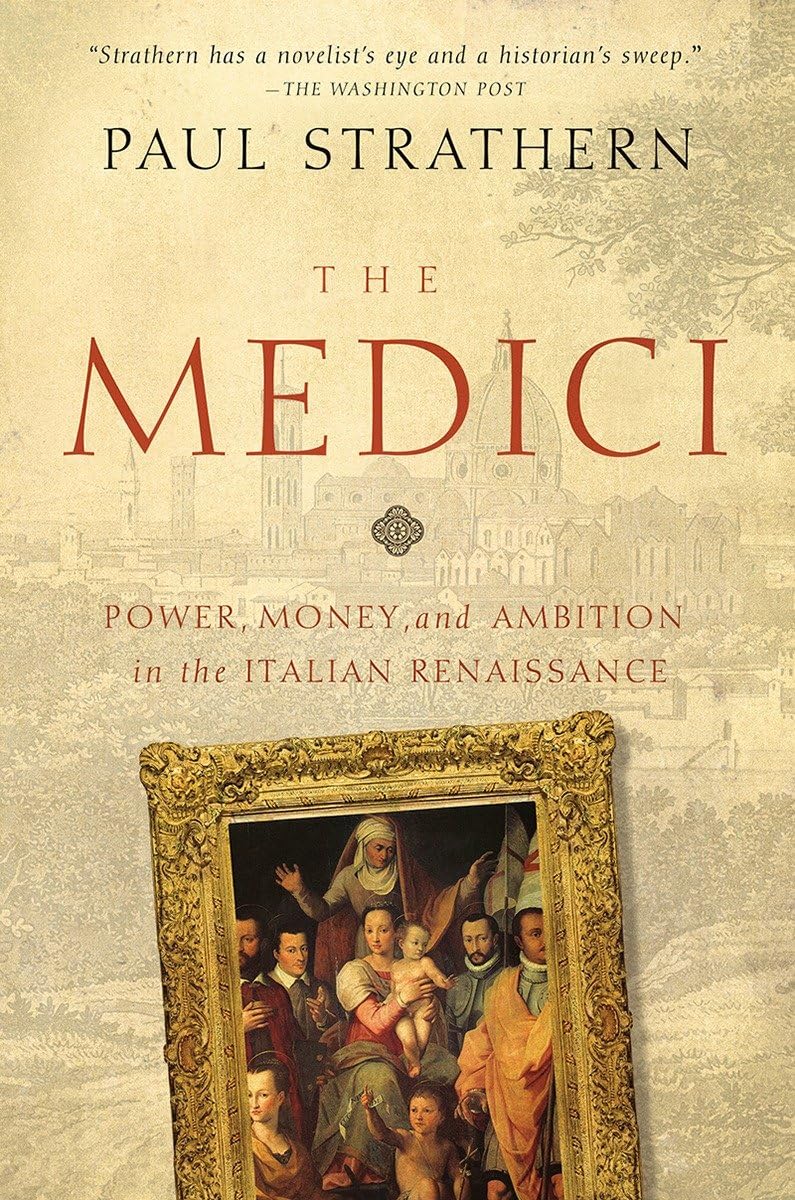
The Medici: Power, Money, and Ambition in the Italian Renaissance (2016) by Paul Strathern
The origins of the Italian Renaissance have been debated since the mid-nineteenth century, but one thing is relatively certain: the Medici family of Florence had a lot to do with it. British novelist Paul Strathern tells the remarkable story of this remarkable family in “The Medici: Power, Money, and Ambition in the Italian Renaissance” (2016).…
-
The Renaissance: A Very Short Introduction (2006) by Jerry Brotton
The term Renaissance is synonymous with art. Yet, in this brisk 127-page monograph on the Renaissance by professor Jerry Brotton from the University of London, art and the famed artists of the period play a very small role (e.g. Leonardo da Vinci appears just three times in the index, Raphael just four times). Brotton argues…
-
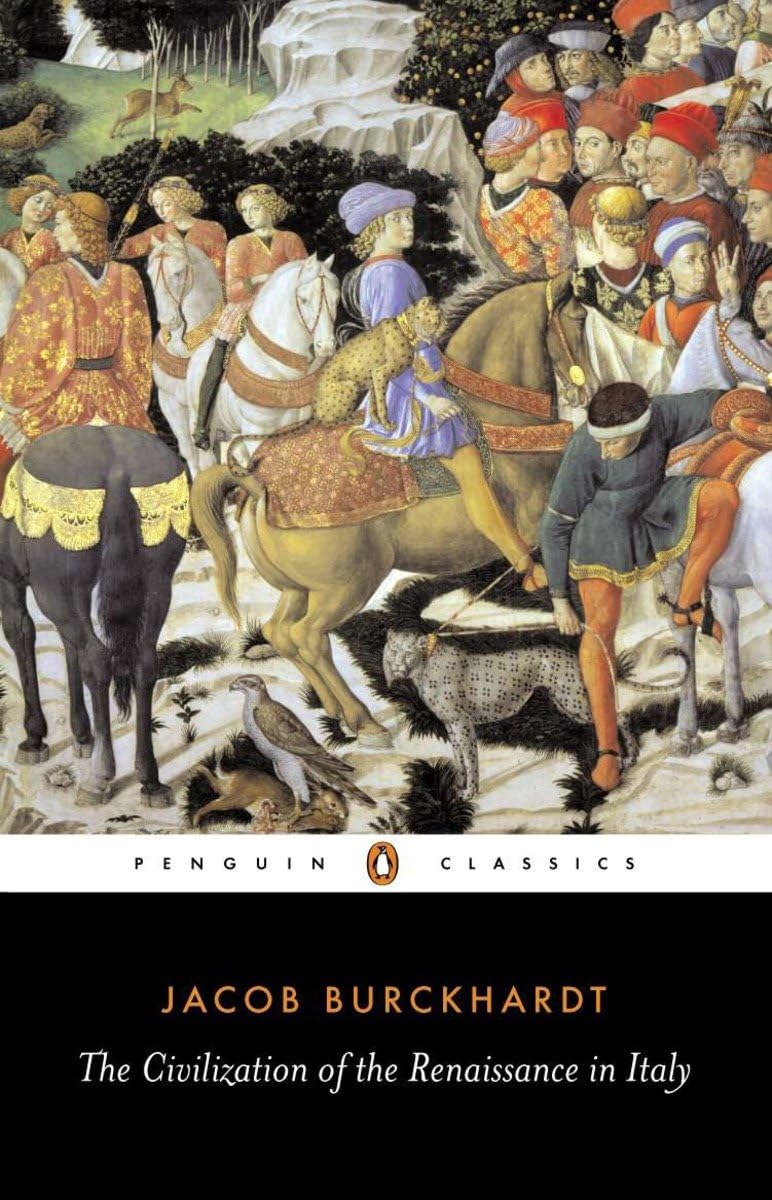
The Civilization of the Renaissance in Italy (1860) by Jacob Burckhardt
I’m usually quite reluctant to read non-fiction books written in the nineteenth century or earlier. I’ve found that even enduring classics like “The Influence of Sea Power upon History, 1660-1783” (1890) by Alfred Thayer Mahan and “The Decline and Fall of the Roman Empire” (1776) by Edward Gibbon to be painful slogs. Francis Parkman’s “Montcalm…
-

The Last Days of the Renaissance & the March to Modernity (2006) by Theodore Rabb
“In general, endings always remain unclear.” So says Theodore K. Rabb, professor of Renaissance and early modern Europe at Princeton University, in “The Last Days of the Renaissance & the March to Modernity” (2006), a crisp but powerful essay on the generally neglected historical topic: “What came after the Renaissance?” Several suggestions have been made.…
-
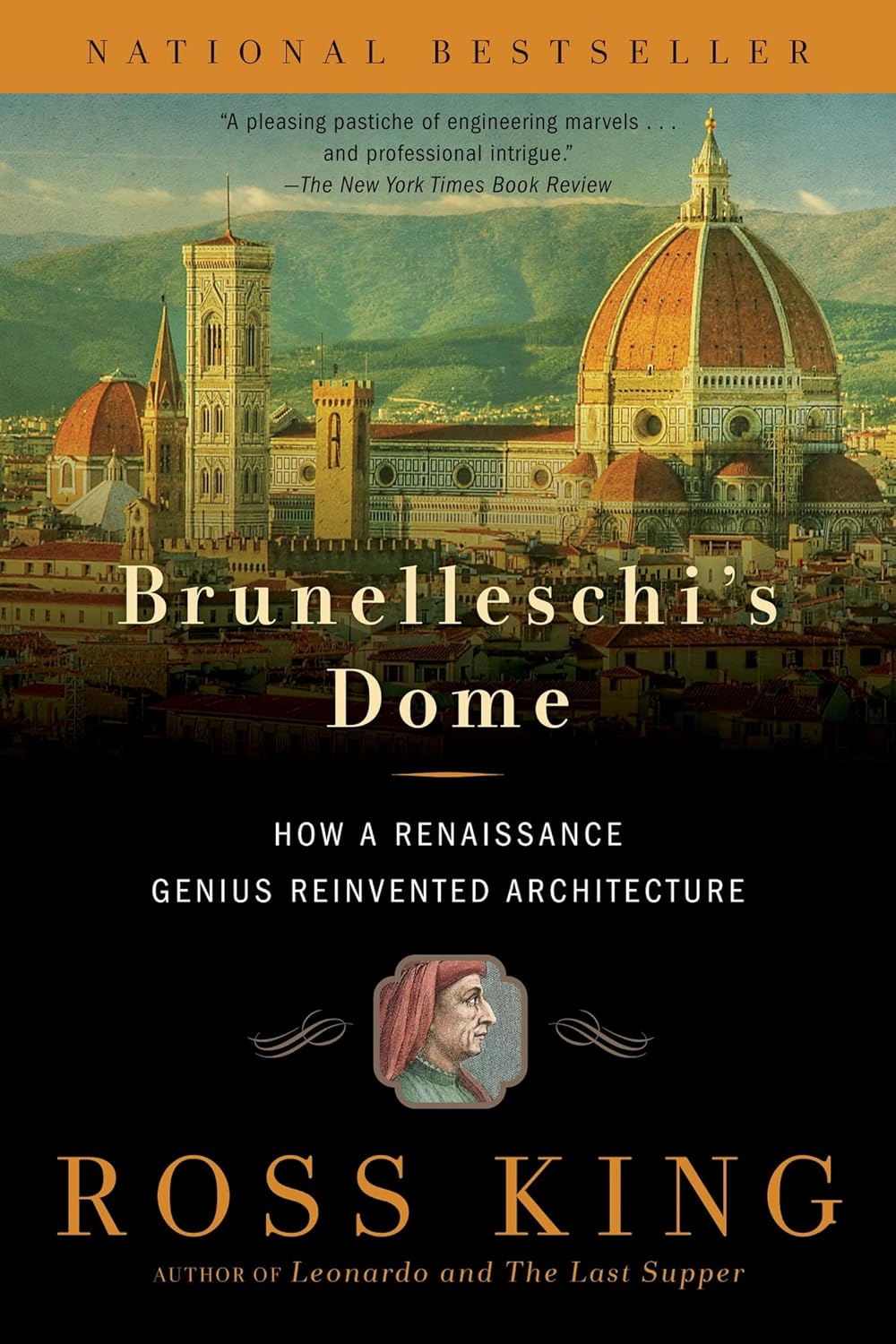
Brunelleschi’s Dome: How a Renaissance Genius Reinvented Architecture (2000) by Ross King
Ross King has a PhD in eighteenth century English Literature from York University in Canada, yet he has made a name for himself as a popular historian and biographer of the Italian Renaissance. Over the past two decades, he has written lively biographical narratives of artist Michelangelo (2003), bookseller Vespasiano da Bisticci (2021), and architect…
-
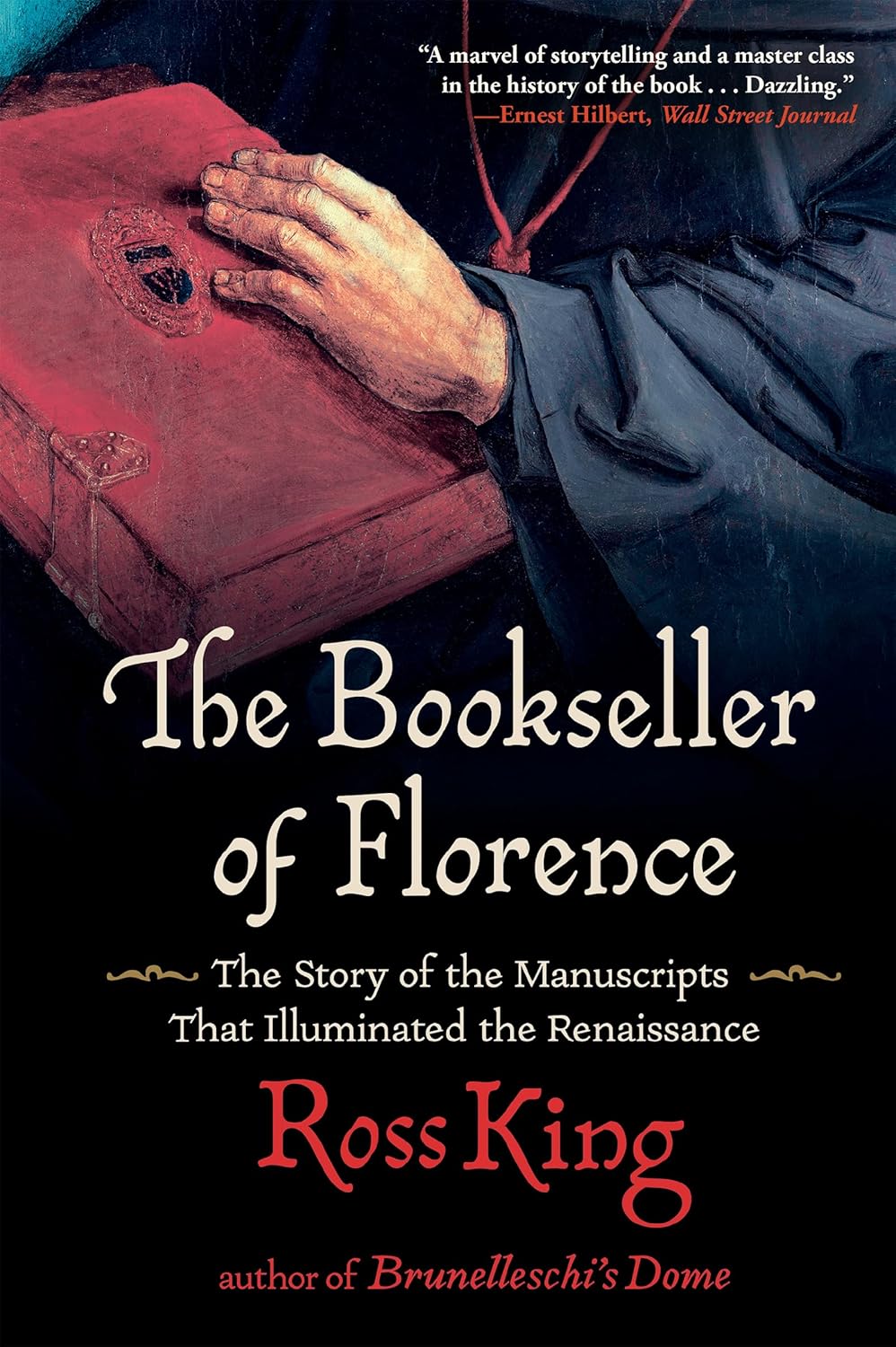
The Bookseller of Florence: The Story of the Manuscripts That Illuminated the Renaissance (2021) by Ross King
Fifteenth century Florence was known primarily for its wool-making and its banking (and eventually its art). In “The Bookseller of Florence: The Story of the Manuscripts That Illuminated the Renaissance” (2021) pop historian Ross King argues that handcrafted book–making was another valued and important skill the Florentines were renowned for. Vespasiano da Bisticci (1433-1498) was…
 What's Tim Reading Now?