Category: Economic Development
-
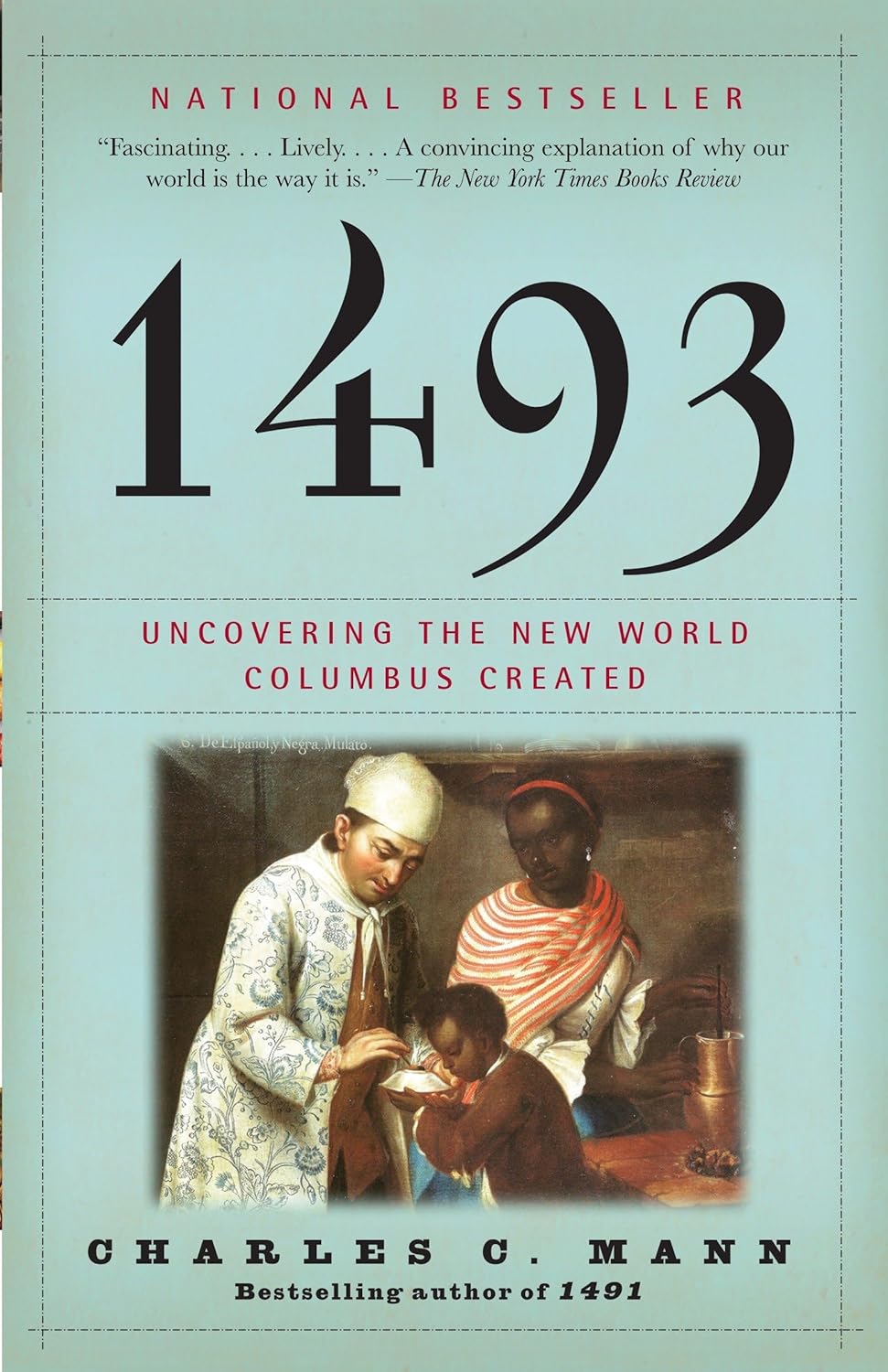
1493: Uncovering the New World Columbus Created (2011) by Charles C. Mann
In 1493: Uncovering the New World Columbus Created (2011), Charles C. Mann examines how the voyages of Columbus set in motion one of the most transformative events in human history – the creation of the Homogocene, a truly globalized, borderless world. Building on the foundation of his earlier work 1491 (2005) and Arthur Crosby’s seminal…
-
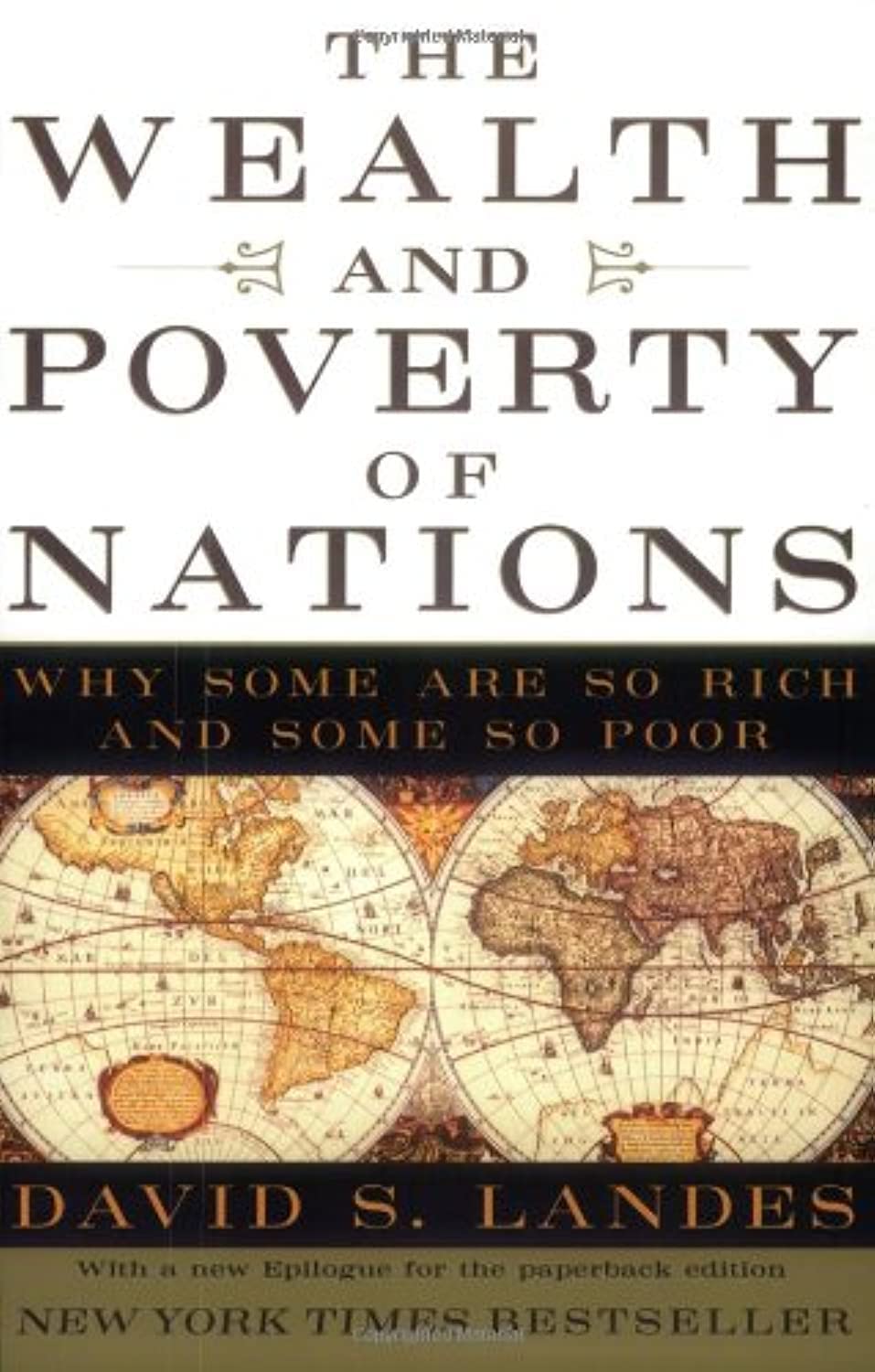
The Wealth and Poverty of Nations: Why Some Are So Rich and Some So Poor (1998) by David S. Landes
When David Landes published The Wealth and Poverty of Nations in 1998, he entered one of the most enduring debates in world history: why some societies become rich while others remain poor. Landes’s answer was simple and blunt: “If we learn anything from the history of economic development, it is that culture makes all the…
-

Debt: The First 5,000 Years (2021) by David Graeber
David Graeber’s Debt: The First 5,000 Years (2021) is both a romp through human financial history and a deliberately provocative political polemic. Part anthropology, part moral essay and part work of revisionist history, it upends a set of conventional narratives – most famously the “barter-to-money-to-market” story taught in introductory economics – and replaces them with…
-

Globalization and Its Discontents (2002) by Joseph E. Stiglitz
Imagine you’re sitting at a bar next to some co-worker you barely know who is drinking heavily and droning on about how awful his ex-wife is, a real lying, cheating, disingenuous old bag. After an hour or so you almost start to feel bad for the poor lady. Such is the case, I found, with…
-
Development as Freedom (1999) by Amartya Sen
I so wanted to be won over by this book by the brilliant Indian economist, Amartya Sen. His central thesis is simple and compelling: “…the basic idea that enhancement of human freedom is both the main object and the primary means of development.” However, the empirical evidence he musters to support his case is often…
-
The End of Poverty: Economic Possibilities for Our Time (2005) by Jeffrey D. Sachs
There aren’t any “I’s” in the word “development,” but there are plenty in this 2005 bestselling book on development by “Economist to the Stars” Jeffrey Sachs. The professor presents his personal vision of a grand plan to quickly eradicate extreme poverty, as though indigence was an easily treatable form of small pox. If someone would…
-
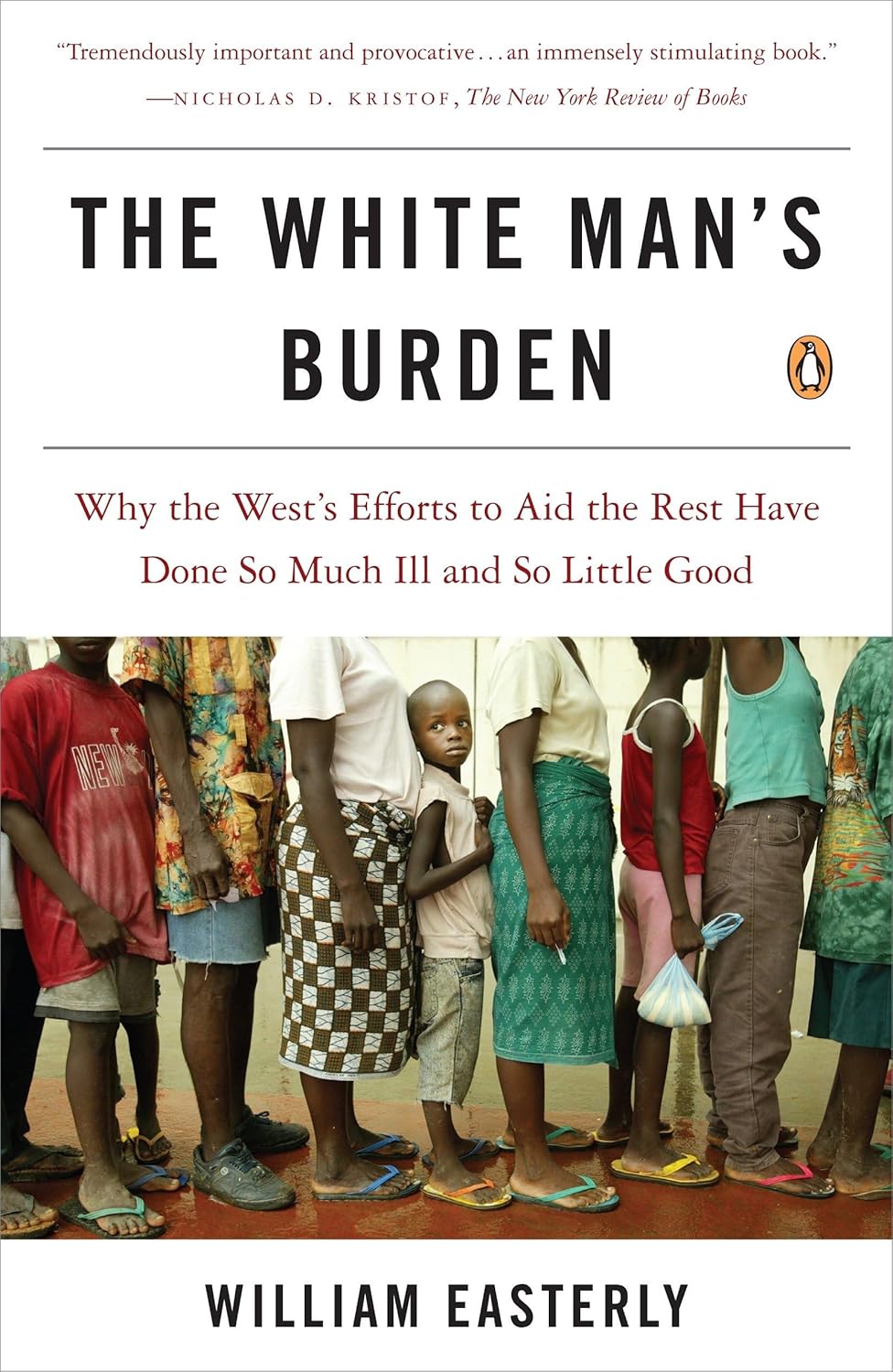
The White Man’s Burden: Why the West’s Efforts to Aid the Rest Have Done So Much Ill and So Little Good (2006) by William Easterly
In 2011, Eric Ries made a big splash in Silicon Valley with his book “The Lean Startup: How Today’s Entrepreneurs Use Continuous Innovation to Create Radically Successful Businesses.” He defines “startup” rather loosely (“an organization dedicated to creating something new under conditions of extreme uncertainty”) and encourages organizations of all sizes to avoid creating elaborate…
-

Poor Economics: A Radical Rethinking of the Way to Fight Global Poverty (2011) by Abhijit Banerjee and Esther Duflo
I’ve spent the past seven years working for Intuit, the company behind such successful consumer software products as TurboTax, QuickBooks, Quicken and Mint.com. A fundamental principle to our product management approach is the “follow-me-home.” That is, we literally shadow our potential customers – usually small business owners and American taxpayers and budgeters – to observe…
-
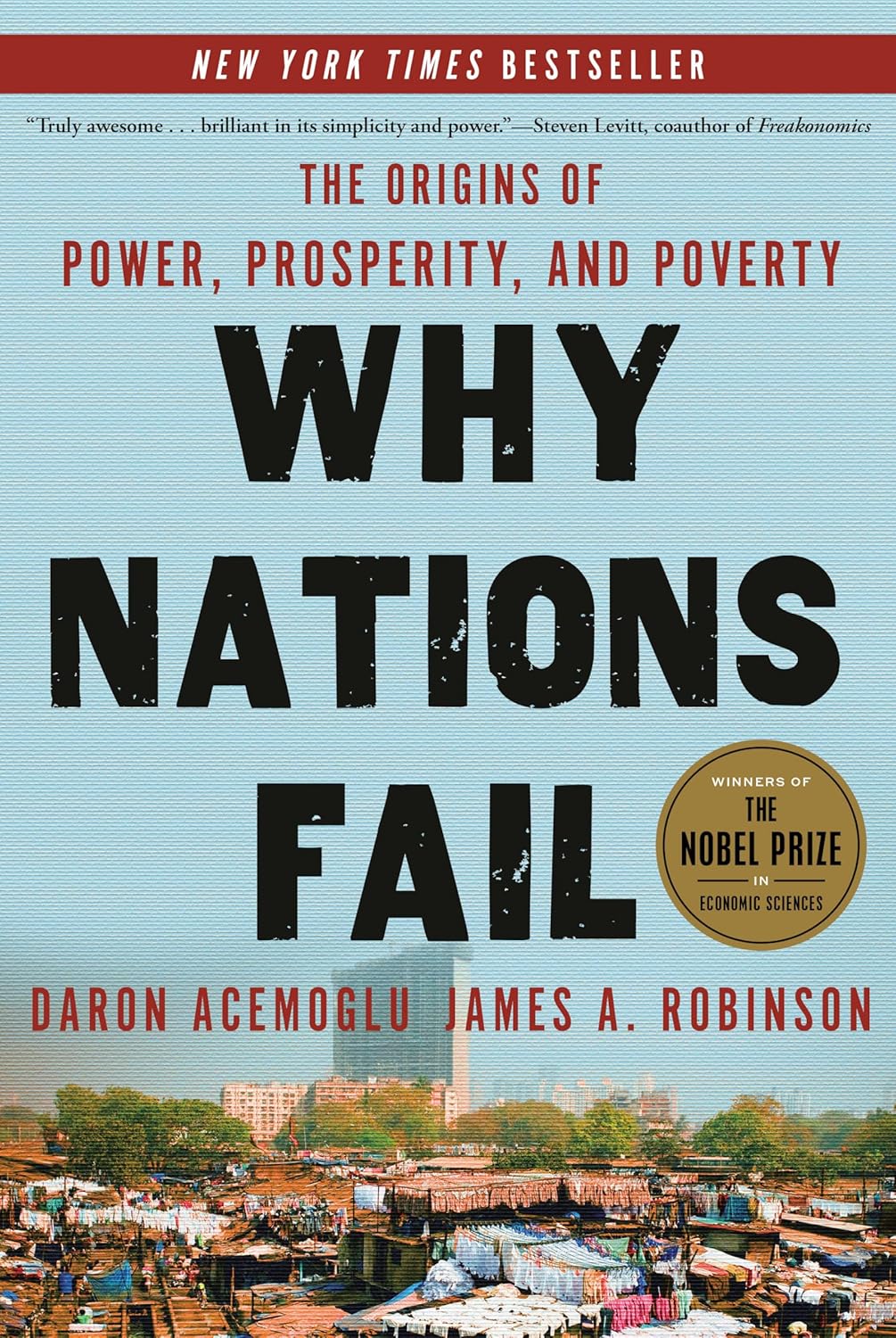
Why Nations Fail: The Origins of Power, Prosperity, and Poverty (2012) by Daron Acemoglu and James A. Robinson
In his 2000 bestseller “Development as Freedom” Pulitzer Prize-winning economist Amartya Sen made the uplifting argument that the cornerstone of international development ought to be the promotion and growth of human freedom. What his thesis notably lacked was evidence. It seems to me that evidence supporting Sen’s important hypothesis is precisely what Daron Acemoglu and…
 What's Tim Reading Now?