Category: Disease
-
The Columbian Exchange: Biological and Cultural Consequences of 1492 (1972) by Arthur Crosby
Arthur Crosby’s unassuming little book “The Columbian Exchange: Biological and Cultural Consequences of 1492” (1972) is actually one of the most important works of historical scholarship of the twentieth century. It launched a field of study, altered a paradigm, and continues to shape the way we think about global history. It ultimately spawned a Pulitzer…
-

The World the Plague Made: The Black Death and the Rise of Europe (2022) by James Belich
“The World the Plague Made: The Black Death and the Rise of Europe” (2022), by New Zealand historian James Belich – co-founder of Oxford’s Centre for Global History – is a bold, sweeping, and revisionist exploration of how a medieval catastrophe transformed the fate of an entire continent. In nearly 500 pages, Belich’s argument ranges…
-
Plagues and Peoples (1976) by William H. McNeil
When William H. McNeill published “Plagues and Peoples” in 1976, it startled historians and anthropologists alike. Here was a sweeping, erudite global history that placed microbes – not kings, generals, or economic systems – at the center of the human story. In doing so, McNeill challenged centuries of historical writing that had largely treated disease…
-

In the Wake of the Plague: The Black Death and the World It Made (2001) by Norman F. Cantor
Norman Cantor’s “In the Wake of the Plague: The Black Death and the World It Made” (2001) is an ambitious but deeply problematic attempt to recast the Black Death as a transformative force in Western history, blending conventional scholarship with speculative leaps that often lack sufficient evidence. This isn’t the kind of book I expected…
-
Lithium: A Doctor, a Drug, and a Breakthrough (2019) by Walter A. Brown
To begin with, let’s start at the end: lithium works. If you suffer from bipolar disorder and/or persistent suicidal ideation, there is no better prophylactic treatment than lithium. It is, as Brown likes to remind his readers, “the gold standard.” It is estimated that lithium has saved the US economy hundreds of billions of dollars…
-
The Making of a Tropical Disease: A Short History of Malaria (2007) by Randall M. Packard
This book isn’t nearly as arcane as one might think. The subject and general theme are far outside my standard reading zone, yet I never once lost interest nor felt lost in the subject matter. Author Randall Packard’s central message is abundantly clear: malaria is a social disease and only significant economic development and social…
-

The Emperor of All Maladies: A Biography of Cancer (2010) by Siddhartha Mukherjee
My mother-in-law passed away this year after a long and courageous battle with uterine cancer. I picked up this Pultizer-prize winner in an attempt to educate myself as she went through a battery of surgeries, radiation and chemotherapy. “The Emperor of All Maladies” is a truly remarkable book, charting the course of humanity’s battle with…
-
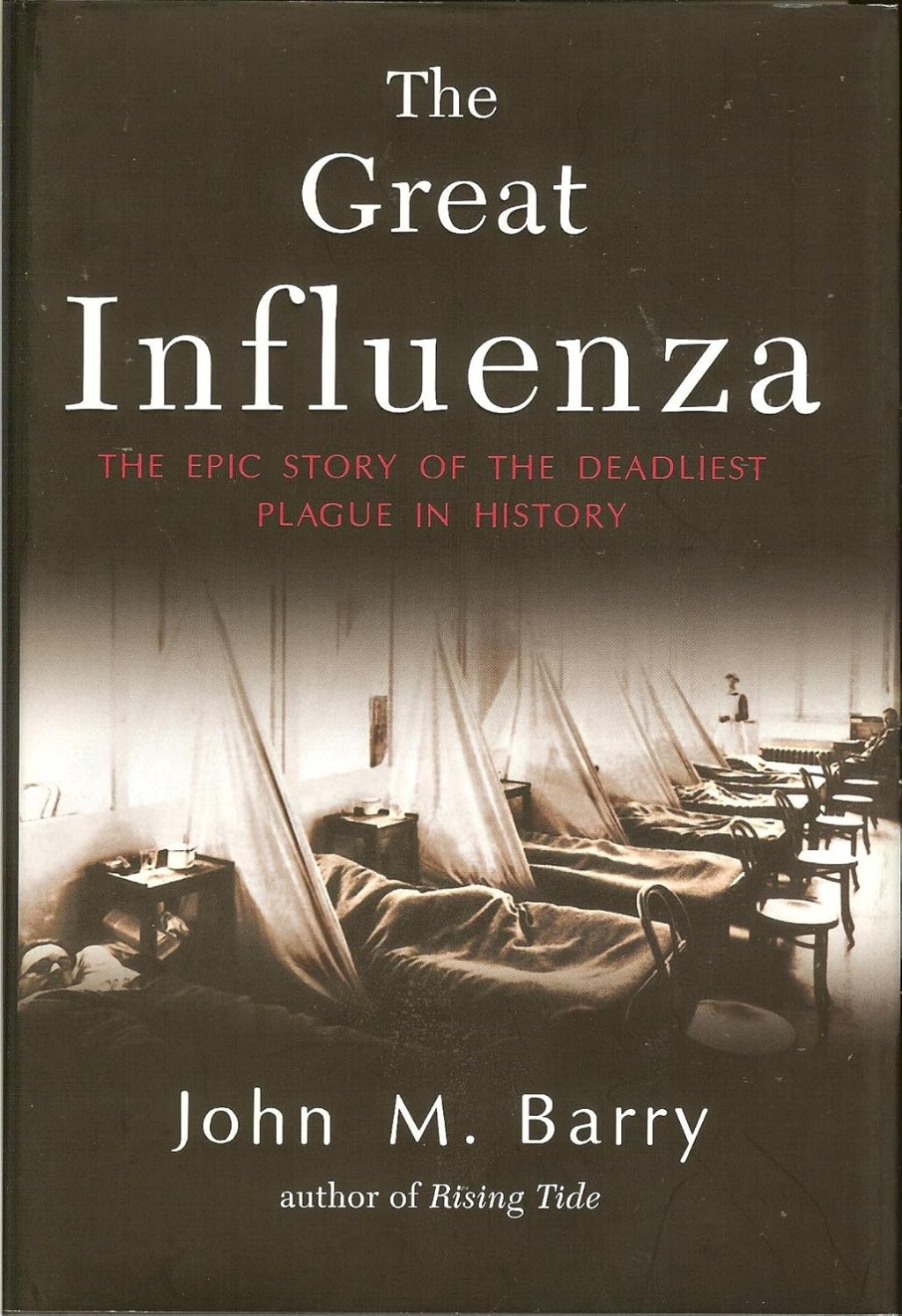
The Great Influenza: The Epic Story of the Deadliest Plague in History (2004) by John M. Barry
“Influenza killed more people in [1918] than the Black Death of the Middle Ages killed in a century; it killed more people in 24-weeks than AIDS has killed in 24-years.” Those are some pretty sobering statistics. John Barry takes an oddly forgotten moment in world history and makes it comes to life in this thorough,…
-
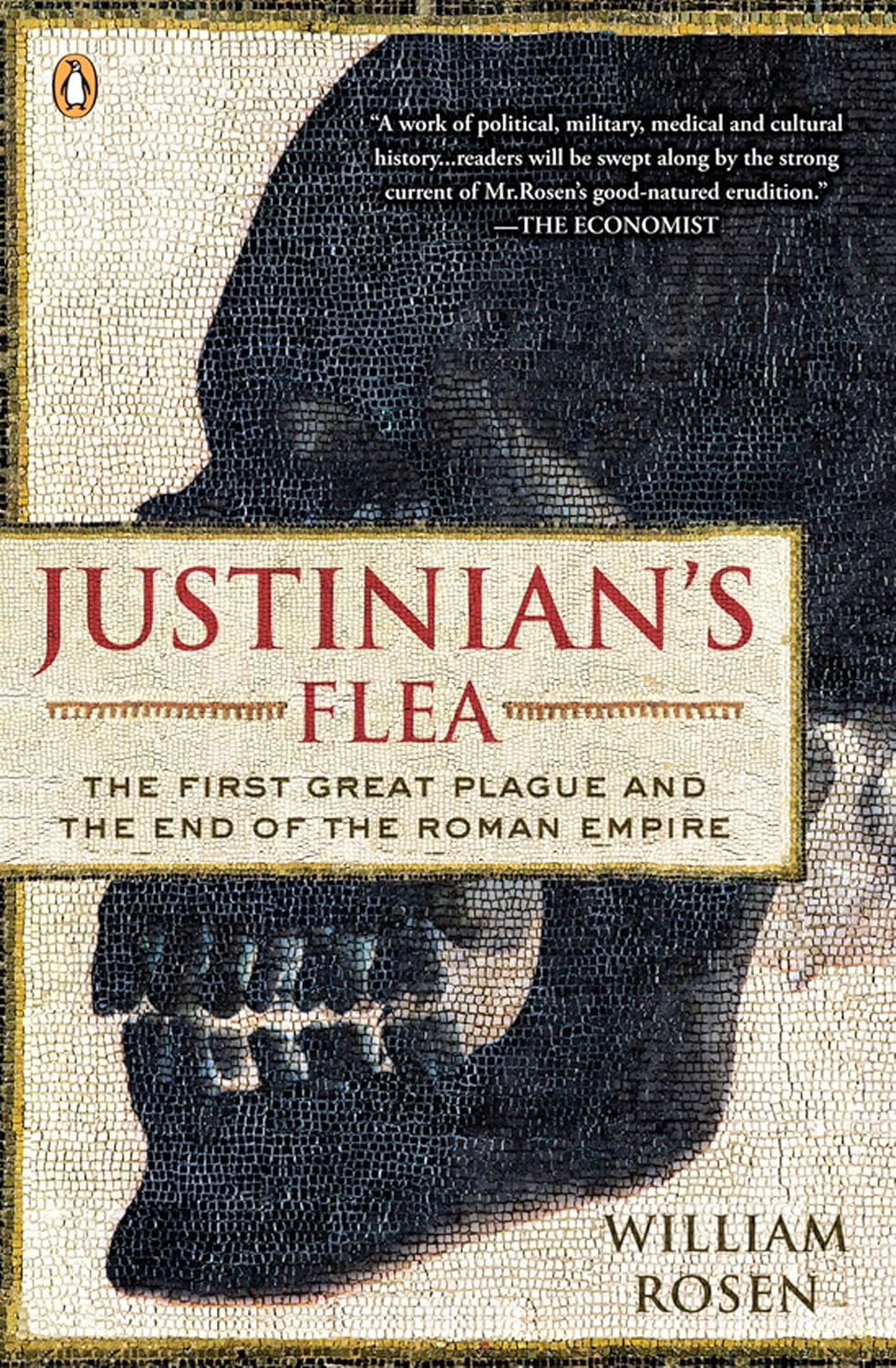
Justinian’s Flea: Plague, Empire, and the Birth of Europe (2007) by William Rosen
“Caveat Reador” — Let the Reader Beware! You need to know a few things before picking up “Justinian’s Flea: The First Great Plague and The End of the Roman Empire” by William Rosen. First, this book is filled with details, many of them extraneous, yet the narrative has surprisingly little specific to say about the…
 What's Tim Reading Now?