Author: Tim Graczewski
-
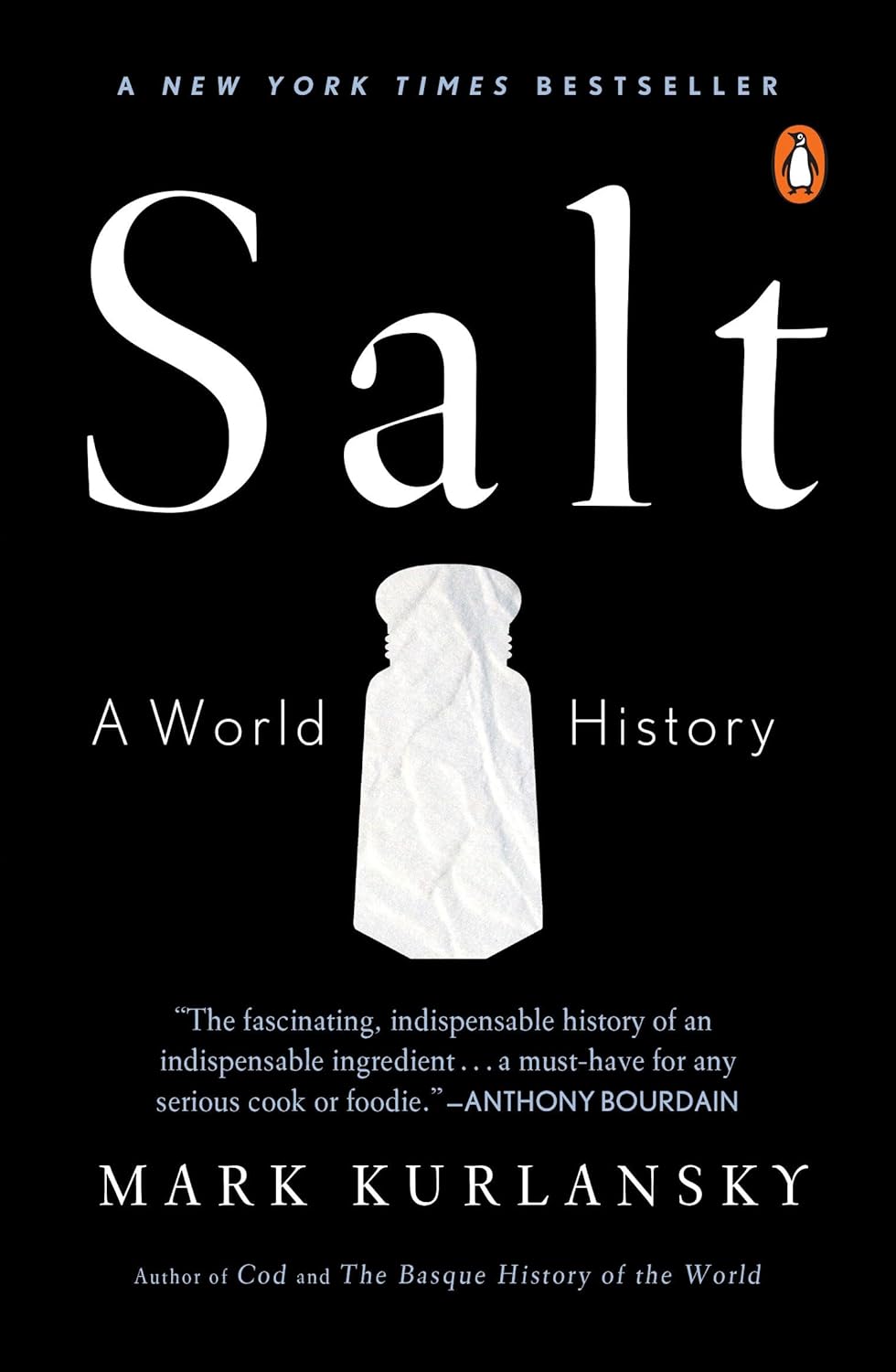
Salt: A World History (2002) by Mark Kurlansky
Mark Kurlansky’s “Salt: A World History” (2002) is a sweeping chronicle of how a single mineral – sodium chloride – has profoundly shaped human history. Like his earlier success, “Cod: A Biography of the Fish That Changed the World” (1998), Kurlansky uses a single commodity as a narrative lens through which to examine millennia of…
-

Cod: A Biography of the Fish That Changed the World (1998) by Mark Kurlansky
I find books about commodities to be oddly satisfying. How have oil, sugar, salt and cotton changed our lives for better and worse? In “Cod: A Biography of the Fish That Changed the World” (1998), Mark Kurlansky combines maritime adventure, culinary anthropology, economic history, and environmental warning into a single compelling narrative about a once…
-
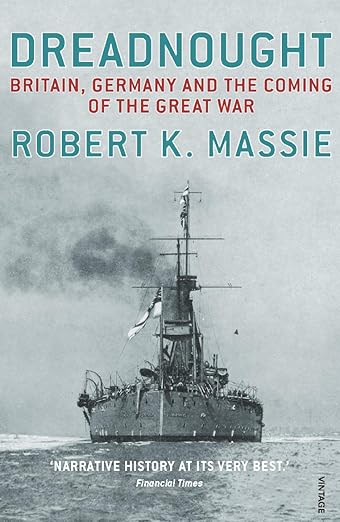
Dreadnought: Britain, Germany, and the Coming of the Great War (1991) by Robert K. Massie
Robert K. Massie’s “Dreadnought: Britain, Germany, and the Coming of the Great War” (1991) is a monumental achievement in narrative history, weaving together biography, diplomacy, military innovation, and geopolitical rivalry into a compelling and deeply human account of the path to World War I. It stands as one of my all-time favorite books. At its…
-

The Last Generation of the Roman Republic (1974) by Erich S. Gruen
In the pantheon of Roman historical scholarship, few works have challenged conventional wisdom as provocatively as Erich Gruen’s “The Last Generation of the Roman Republic” (1974). This magisterial study fundamentally reinterpreted the final decades of the Roman Republic, arguing against the prevailing scholarly consensus that portrayed the period from 78 to 49 BC as one…
-
War and Imperialism in Republican Rome: 327-70 BC (1979) by William V. Harris
In the landscape of Roman historical scholarship, few works have proven as influential or controversial as William Harris’s “War and Imperialism in Republican Rome: 327-70 BC” (1979). This seminal study fundamentally challenged prevailing academic orthodoxy about the nature of Roman expansion, arguing that Rome’s imperial growth was driven not by defensive necessity or reluctant responses…
-
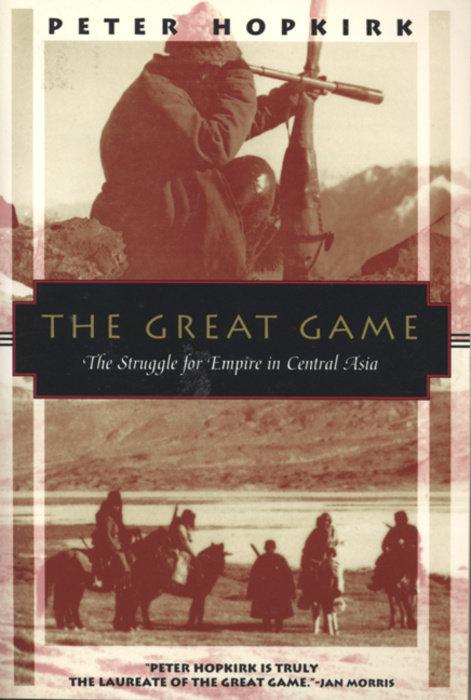
The Great Game: The Struggle for Empire in Central Asia (1990) by Peter Hopkirk
In the annals of imperial history, few conflicts have captured the imagination quite like the Great Game – that shadowy, century-long struggle between the British and Russian empires for dominance over Central Asia. Peter Hopkirk’s masterful work, “The Great Game: The Struggle for Empire in Central Asia” (1990), stands as the definitive account of this…
-

In the Wake of the Plague: The Black Death and the World It Made (2001) by Norman F. Cantor
Norman Cantor’s “In the Wake of the Plague: The Black Death and the World It Made” (2001) is an ambitious but deeply problematic attempt to recast the Black Death as a transformative force in Western history, blending conventional scholarship with speculative leaps that often lack sufficient evidence. This isn’t the kind of book I expected…
-
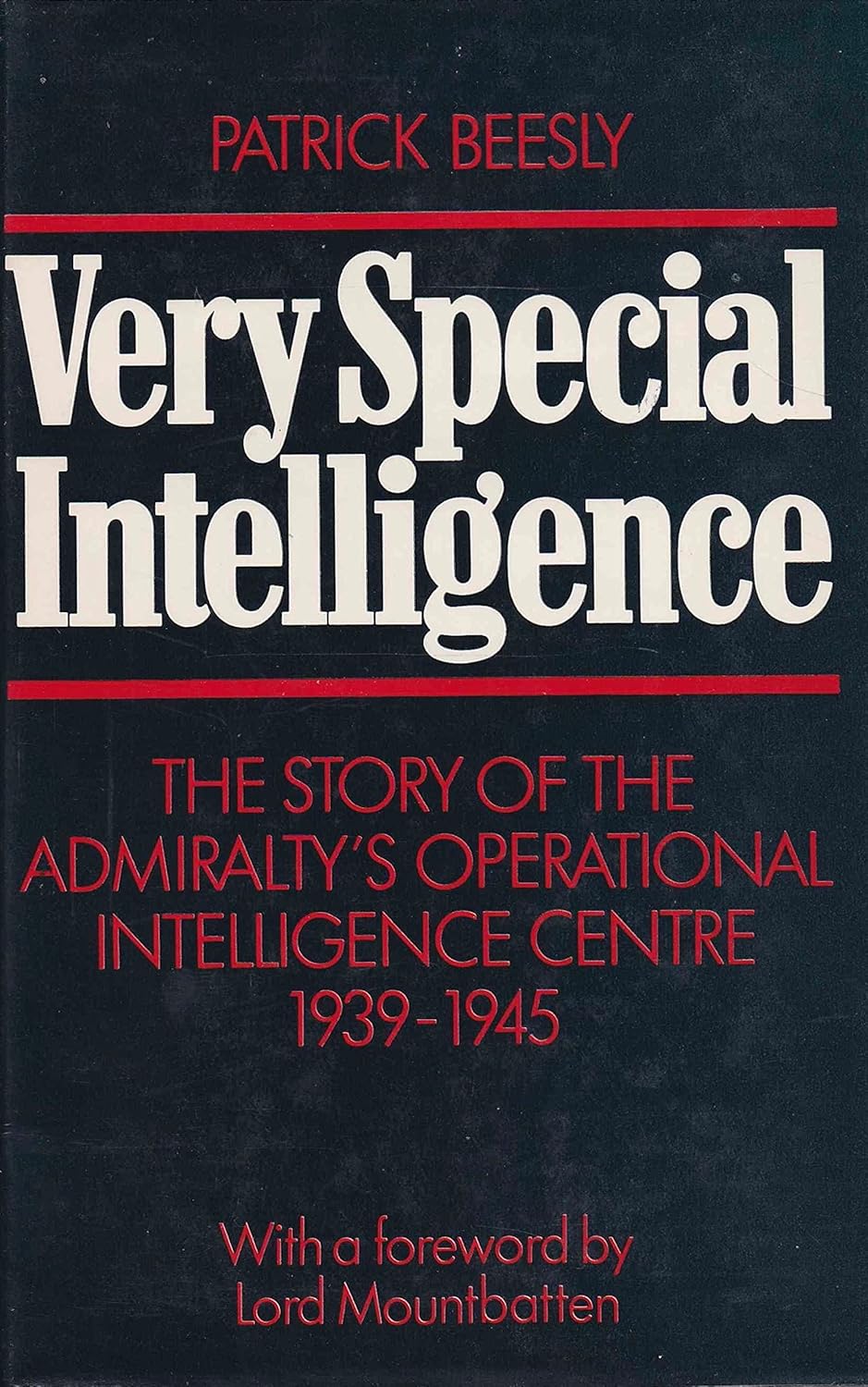
Very Special Intelligence: The Story of the Admiralty’s Operational Intelligence Centre 1939-1945 (1977) by Patrick Beesley
When Patrick Beesly published “Very Special Intelligence: The Story of the Admiralty’s Operational Intelligence Centre 1939-1945” (1977), he lifted the veil on one of World War II’s most closely guarded secrets. Writing from the unique perspective of an insider who served in the Operational Intelligence Centre (OIC) from 1940 to 1945, Beesly provided the first…
-

The Witches: Salem, 1692 (2015) by Stacy Schiff
Stacy Schiff is known for her immersive storytelling and detailed characterizations. In “The Witches: Salem, 1692” (2015) she delves into the psychological and societal factors that contributed to the hysteria that led to the infamous Salem witch trials, such as the rigid Puritanical belief system, gender dynamics, and existing community tensions. Schiff’s portrayal of the…
 What's Tim Reading Now?